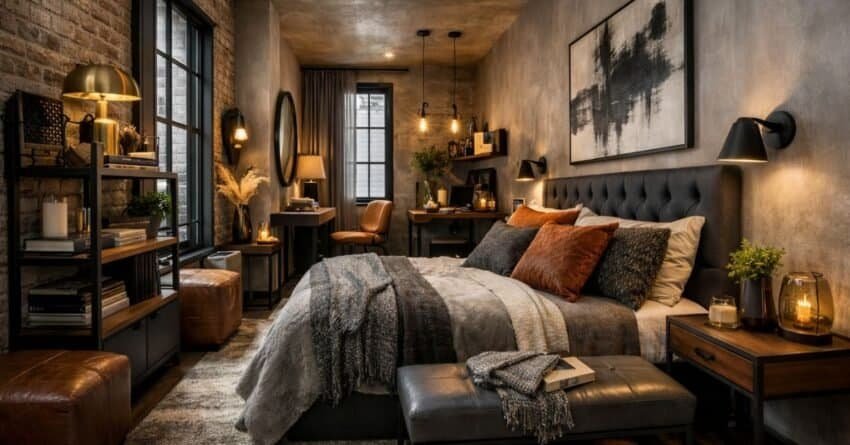
A small bedroom can be one of the hardest rooms to get right. You want it to feel soft, restful, and personal, but once too much gets added, the room starts to feel tight instead of calm. That is where small bedroom decor hacks can make a real difference.
The goal is not to fill every corner. It is to make the room feel warmer, easier to move through, and more finished without piling on extra stuff. In a smaller space, a few smart changes usually do more than a long shopping list.
That might mean pulling furniture a few inches away from a crowded path, swapping a bulky nightstand for a slimmer one, or using bedding and lighting to do more of the visual work. A room can feel cozy from texture, color, and placement, not from adding more pieces to every surface.
This post will walk through simple ways to make a small bedroom feel cozy without clutter. You will see ideas for layout, color, lighting, bedding, wall decor, and hidden storage, along with budget friendly fixes that still look pulled together.
Many small bedrooms already have enough in them. The better move is often to edit what is there, keep what adds comfort, and let the room breathe a little.
Table of Contents
Small Bedroom Decor Hacks Start With What You Remove
Before adding anything new, look at what is already taking up space. In a small bedroom, the fastest way to get a cozy look is often to remove the things that make the room feel busy. That can be extra stools, too many framed prints, a chair that collects clothes, or small decor pieces scattered across every surface.
A small room usually feels better when the eye has a few quiet places to rest. That is why one lamp, one piece of art, and one basket can do more for the room than six tiny accessories fighting for attention.
Architectural Digest points out that “fewer, high quality, multifunctional pieces” can help a small bedroom feel less cluttered, which is a smart reminder that comfort starts with space to move and space to see the room clearly. You can read that idea in their piece on small bedroom ideas from Architectural Digest. In real life, that could mean keeping a storage bench at the foot of the bed and skipping the extra accent chair that blocks the walkway.
Clear the pieces that block the room
Start with the largest items first. Ask which pieces are making the room harder to walk through, harder to clean, or harder to use.
A quick check:
- Remove anything that blocks the path from the door to the bed
- Take out furniture that has no daily use
- Cut back on decor sitting on top of dressers and nightstands
- Move off season or rarely used items out of sight
One common issue is keeping too many small pieces because each one feels harmless on its own. A candle, a trinket box, a photo frame, a small plant, a dish, and a stack of books may not seem like much, but together they can make a nightstand look crowded fast.
Keep only what adds warmth or function
Once the bulky extras are gone, keep the pieces that actually help the room feel softer or work better. In most small bedrooms, that is a short list.
Good keepers often include:
- a bedside lamp with a warm bulb
- one framed print above the bed or dresser
- one basket for hidden clutter
- one throw blanket at the end of the bed
- one plant or branch clipping for a natural touch
This is also a good moment to think about hidden clutter. Open surfaces look calmer when little daily items have a home. For more ways to tuck things away without making the room feel heavy.
A common mistake that makes the room feel crowded
A lot of people try to make a small bedroom feel finished by adding more. More pillows. More decor. More furniture. More little accents on every shelf.
The problem is that a small room does not need more visual activity. It needs a stronger edit. A room with one larger art piece, one useful basket, and clear floor space usually feels calmer than a room full of tiny decor.
A good test is this: stand in the doorway and look at the room for five seconds. If your eye jumps all over the place, there is probably too much out in the open. If your eye lands on the bed, the light, or one styled corner, the room is starting to feel settled.
Use Layout Tricks That Make a Small Bedroom Feel Easier to Move Through
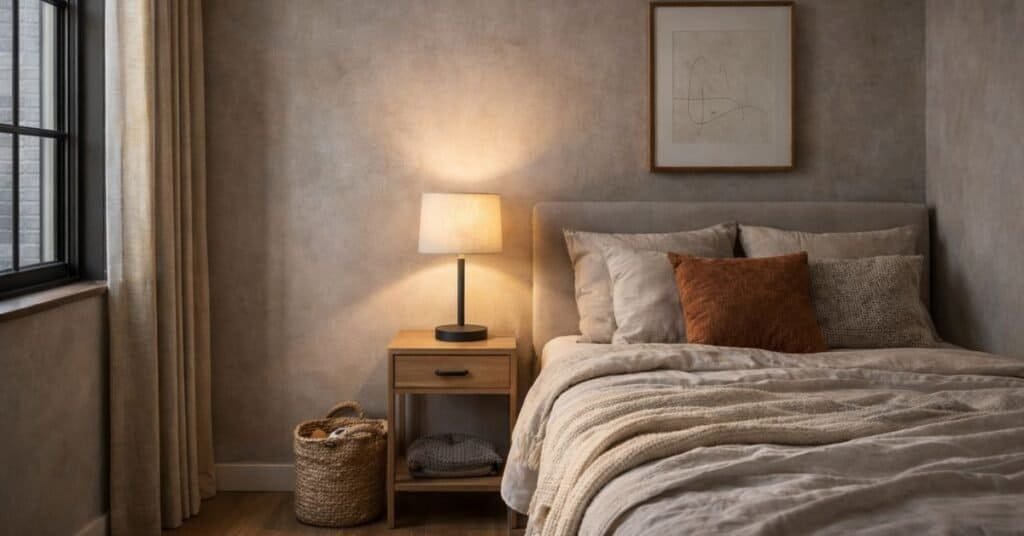
Once the extra clutter is out, the next job is the layout. A small bedroom can still feel calm and comfortable when the furniture fits the room and the walking path stays open. Even a few inches can change how the room feels.
This matters because cozy and cramped are very close in a small space. The room should feel easy to move through, easy to make the bed in, and easy to use at the end of the day.
Leave breathing room around the bed
The bed is the biggest piece in the room, so it sets the tone for everything around it. In many small bedrooms, the best layout is the one that leaves at least one clear walkway beside the bed, even if both sides are not perfectly even.
Try to leave around 18 to 24 inches of walking space on the easier side of the bed when you can. If the room is tighter than that, it still helps to keep one side more open and avoid filling that path with baskets, stools, or oversized nightstands.
When more floor stays visible, the room feels less boxed in. That small detail changes the whole mood.
Pick slimmer furniture when the room is tight
Furniture that sits lightly in the room usually works better than thick, bulky pieces. A narrow nightstand, a floating shelf used as a bedside table, or a dresser with simple legs can make the room feel more open because you see more space around and under it.
Architectural Digest highlights ideas like wall mounted storage and floating side tables in small bedrooms, which makes sense in real rooms where every inch matters. A floating bedside shelf, for example, can hold a book and lamp without the visual weight of a full nightstand.
Good layout swaps include:
- one slim nightstand instead of two bulky ones
- a floating shelf beside the bed
- a bench with storage instead of a wide dresser if the room allows it
- a wall hook or rail instead of a standing rack
Try a small space variation for awkward rooms
Not every bedroom has room for balance on both sides of the bed. Some have one window, one closet wall, or one tight entry point that makes the layout awkward. That is normal.
In a very narrow room, it can work better to place the bed slightly off center so the easier side has better flow. In a boxy room, one nightstand may be plenty. In a room with only one usable wall, wall mounted lighting can free up more space than a pair of bedside lamps.
This is where small bedroom decor hacks need to feel practical, not perfect. A layout that works for your door swing, closet, and daily routine will always feel better than one that only looks balanced in a photo.
| Layout issue | Why it feels off | Simple fix |
|---|---|---|
| Bed blocks the walking path | The room feels cramped right away | Shift the bed a few inches or remove one side table |
| Oversized nightstand | It takes up visual and floor space | Use a slim or floating bedside option |
| Too much furniture | The room feels heavy | Keep only the pieces you use every day |
| Furniture pushed into every corner | The room feels stiff and crowded | Leave one area open so the layout can breathe |
Choose Colors That Feel Cozy Without Making the Room Look Busy
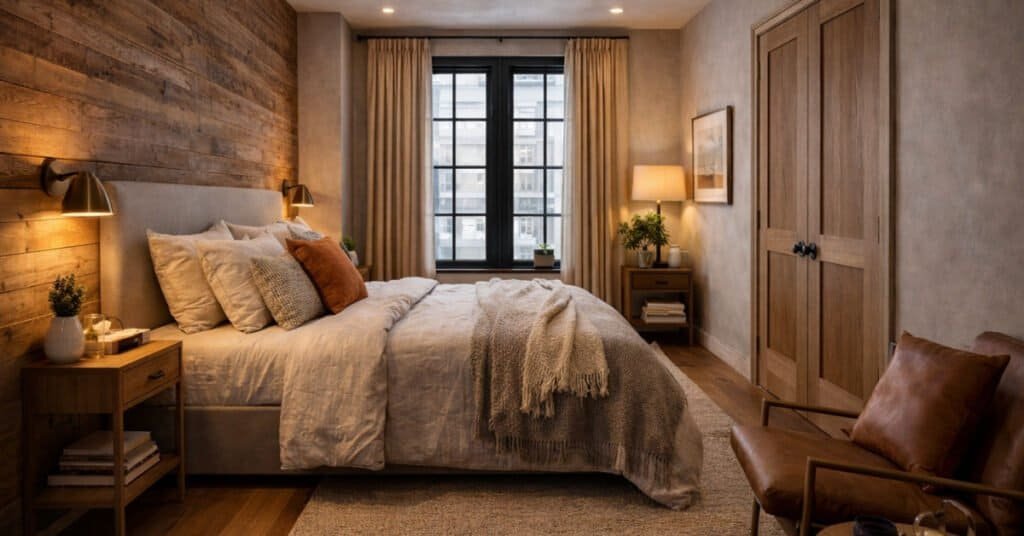
Color can change the mood of a small bedroom faster than almost anything else. It can make the room feel softer, brighter, calmer, or heavier. The trick is choosing colors that add warmth without making the space feel full.
A small bedroom does not need a lot of color to feel finished. It usually looks better when the palette stays tight and the tones repeat in a quiet way across the walls, bedding, curtains, and decor.
Light colors can make a small bedroom feel open
Lighter shades help reflect light, which can make a bedroom feel more open. House Beautiful notes that lighter paint colors can help brighten a small bedroom and make it appear bigger. You can see that idea in their article on small bedroom color ideas from House Beautiful.
That does not mean the room has to feel plain or cold. Warm white, soft beige, muted taupe, pale mushroom, and dusty greige usually feel softer than stark bright white. In a small room, these shades can give the walls a quiet background so texture and lighting stand out more.
A good way to test this is to hold paint swatches next to your bedding in both daylight and lamp light. A white that looks fresh at noon can feel sharp at night, while a warmer neutral often feels easier in both.
Dark colors can still work in a small bedroom
A small bedroom does not always have to be light to feel good. House Beautiful also shows that deeper shades can make a room feel more cocoon like, which fits the cozy side of your title very well. Their piece on small bedroom design tips from House Beautiful gives a helpful contrast to the usual “always go light” advice.
This works best when the rest of the room stays edited. If the walls are darker, keep the extra decor low and let the color do more of the work. A soft brown, muted olive, warm charcoal, or clay toned accent wall can make a small bedroom feel snug and restful without looking busy.
The mistake is mixing too many dark tones at once. One deeper wall color paired with lighter bedding and a simple lamp usually feels calmer than dark walls plus heavy curtains plus lots of small accessories.
Keep the palette tight for a calmer room
One of the easiest ways to avoid visual clutter is to limit the room to about two to four main tones. That gives the bedroom a cleaner feel because your eye is not jumping from one unrelated color to another.
A simple mix could look like this:
- warm white walls
- oatmeal or sand bedding
- light wood tones
- one muted accent such as sage, clay, or dusty blue
This is also where small bedroom decor hacks can feel more polished without adding more stuff. Repeating the same tone in a pillow, artwork, and curtain trim can make the room feel settled even when the decor is simple.
If you want a softer bedroom without spending much, start with color before buying anything else. Changing pillow covers, a throw, or curtain panels can shift the room more than adding another shelf full of decor.
Layer Bedding to Make the Room Feel Warm Fast
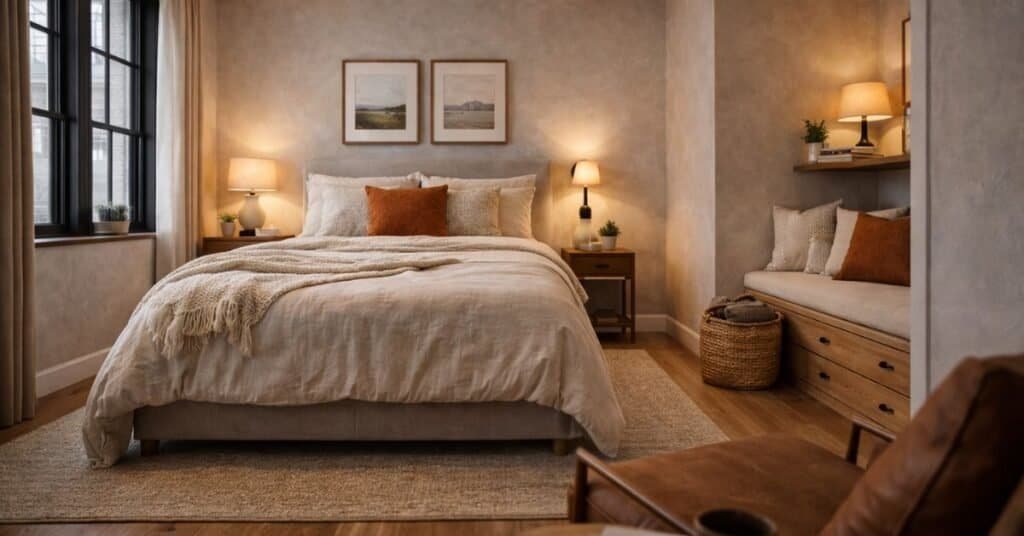
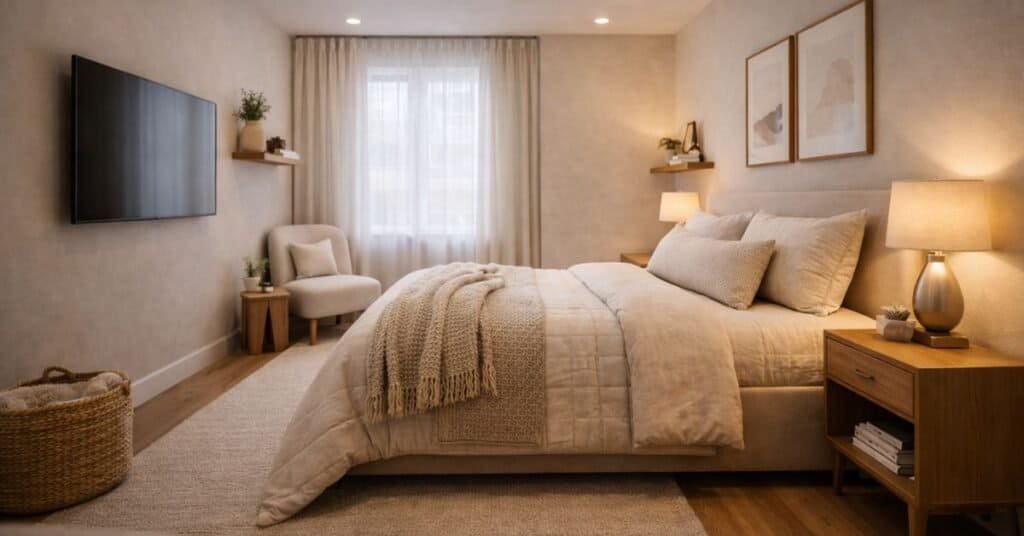
If you want a small bedroom to feel cozy without adding more furniture or extra decor, start with the bed. The bed already takes up the most visual space in the room, so even a few small changes here can warm up the whole bedroom fast.
This is one of the easiest small bedroom decor hacks because it adds softness without filling corners, shelves, or the floor. Instead of spreading cozy touches all over the room, let the bed do most of the visual work.
Start with simple layers that add softness
A cozy bed does not need a huge pile of pillows. It usually looks better with a few clean layers that feel soft and easy.
A simple setup can look like this:
- fitted sheet and duvet or quilt
- one folded coverlet or blanket near the foot of the bed
- two sleeping pillows
- one or two decorative pillows in a different texture
- one throw for added warmth
This kind of layering gives the room depth without making it look crowded. It also keeps the bed looking easy to use, which matters in a small room where bulky bedding can quickly feel messy.
Use fewer bedding colors with more texture
When the bedroom is small, texture often works better than lots of color. A mix of linen, cotton, knit, quilted fabric, or a soft woven throw can make the bed feel warmer while still keeping the room calm.
Rambling Renovators shares a similar idea in their post on budget friendly bedroom decorating ideas from Rambling Renovators, where layered bedding, pillow covers, and a throw help a room feel more finished without a lot of extra spending. That works especially well in a small bedroom because texture adds comfort without adding visual noise.
Try to keep the colors close together. For example:
- cream, sand, and camel
- soft gray, mushroom, and ivory
- warm white, taupe, and muted olive
That kind of mix feels softer than using many sharp contrast colors. The room still has interest, but it does not feel busy.
If you want more ideas for building a bed that feels fuller without looking overdone, see these layered bedding ideas for a more luxurious bedroom look.
A budget option that still looks cozy
You do not need all new bedding to make a bed feel warmer. A few small changes can go a long way.
Try one of these low cost updates:
- swap plain pillow covers for textured ones
- add one larger lumbar pillow instead of several small throw pillows
- fold a knit throw at the foot of the bed
- use a quilt over your duvet for a softer, more relaxed look
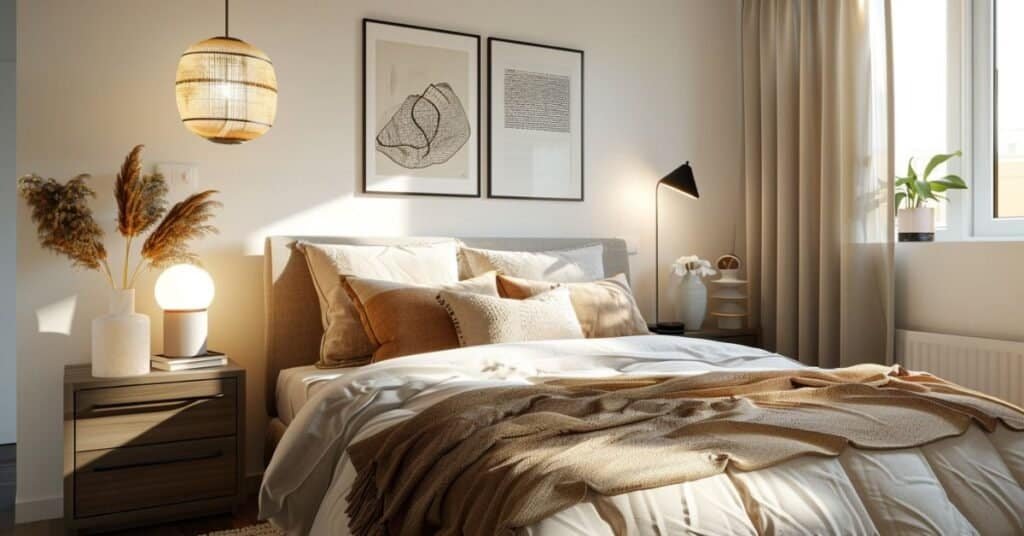
A queen bed in a small room usually looks calmer with one throw and two or three accent pillows than with six or seven. More is not always better here. In a tight bedroom, a cleaner bed often makes the whole room feel bigger and more restful.
Add Soft Lighting So the Room Feels Calm at Night
Lighting can make a small bedroom feel peaceful or harsh in seconds. A room with soft light feels more restful and finished, while a room lit by one bright ceiling bulb can feel flat and cold.
This is why lighting is one of the best small bedroom decor hacks for a cozy look. You are changing the mood of the room without taking up much space at all.
Skip harsh overhead light when possible
A bright overhead light can wash out the room and make every corner feel sharper than it needs to. In a small bedroom, that kind of light often makes the space feel less inviting at night.
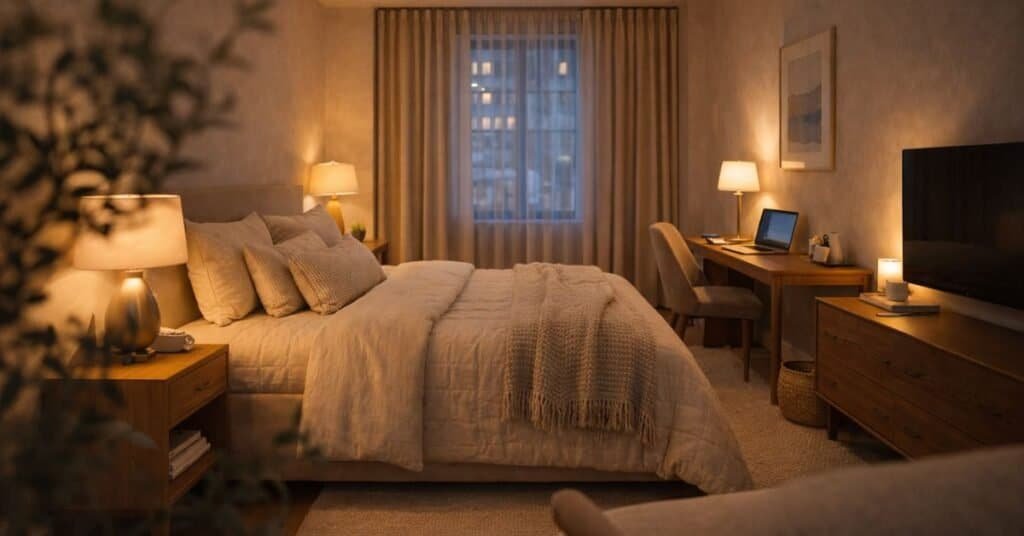
It helps to treat the overhead light as the backup, not the main mood setter. A bedside lamp, a plug in wall sconce, or a small accent light on a dresser can make the room feel softer and more settled.
Use warm light to make the room feel softer
Warm light usually feels better in a bedroom than cool bright light. A softer bulb can make bedding look richer, wall color look calmer, and the room feel more comfortable at the end of the day.
You do not need matching lamps on both sides for this to work. In a tighter room, one warm light source near the bed may be enough, especially if the other side needs to stay open for walking space.
Make the lighting do double duty
In a small room, it helps when one item can do more than one job. A plug in sconce can free up surface space on a nightstand. A slim table lamp can add light and also become part of the styling.
If you want more ways to soften the mood with simple lighting ideas, see how to decorate a bedroom with lights for a warmer feel. Small changes like lamp placement, bulb warmth, and a lower glow beside the bed can shift the room more than adding extra decor.
A good rule is to keep the light close to where you use it. Put bedside lighting where you read, place a small lamp where a dark corner feels flat, and avoid adding extra fixtures just because the room looks empty. A small bedroom rarely needs more light sources. It needs better placed ones.
Use Wall Decor and Vertical Space Without Making the Room Feel Full
Walls can help a small bedroom feel finished, but they can also make it feel crowded fast. The key is to use less on the wall, not more, and to let each piece have room around it.
This is where a lot of small bedrooms go off track. Tiny frames, extra shelves, and too many hanging pieces can make the room feel busy even when the floor is clear. A calmer wall usually makes the whole room feel calmer.
Go bigger with fewer wall pieces
One larger piece of art often looks better than a cluster of small items in a tight room. It gives the eye one clear place to land, which helps the space feel more settled.
This works especially well above the bed or dresser. Instead of filling the wall with many small frames, try one wider print, one canvas, or a pair of simple matching pieces with space between them. That gives the room style without creating visual clutter.
A good size tip is to aim for wall art that feels connected to the furniture under it. A piece above the bed should usually feel wide enough to relate to the bed, not like a tiny dot floating in the middle of the wall.
Use vertical storage that still looks tidy
Vertical space matters in a small bedroom because it helps free up the floor. Architectural Digest shares that floating shelves and taller storage can help add surface space in a compact room. Their article on small bedroom storage ideas from Architectural Digest supports using the wall to lighten the layout instead of packing in more furniture.
The trick is keeping wall storage simple. One slim shelf above a dresser, one narrow picture ledge, or one row of hooks can be useful. Three or four crowded shelves full of small items usually do the opposite.
Try to keep shelf styling tight:
- a small stack of books
- one framed print
- one candle or small bowl
- one trailing plant, if it fits your style
That is usually enough. When every shelf becomes a display zone, the room starts to feel noisy again.
Hang curtains high to stretch the room visually
Curtains can make a small bedroom feel taller when they are hung closer to the ceiling instead of right above the window frame. This draws the eye up and gives the room a taller look.
Stone Gable Blog talks about easy ways to refresh a bedroom without buying new furniture, and that kind of thinking works well here too. Their ideas in this bedroom refresh post from Stone Gable Blog support simple changes that shift how the room feels without adding bulk.
A quick example: if your window frame ends at 60 inches, hanging the curtain rod 4 to 8 inches higher can make the wall feel taller right away. Pair that with curtain panels that skim the floor, and the room starts to feel a little more open and a little less boxy.
Bring In Cozy Details That Do Not Add Clutter
Once the big pieces are working, the last layer is the finishing touch. This is where a small bedroom starts to feel lived in and warm, but it still needs restraint. Too many finishing details can undo all the calm you built earlier.
The best cozy details are the ones that soften the room without filling every surface. In a small bedroom, that usually means choosing one or two details that add warmth and skipping the rest.
Pick one or two natural touches
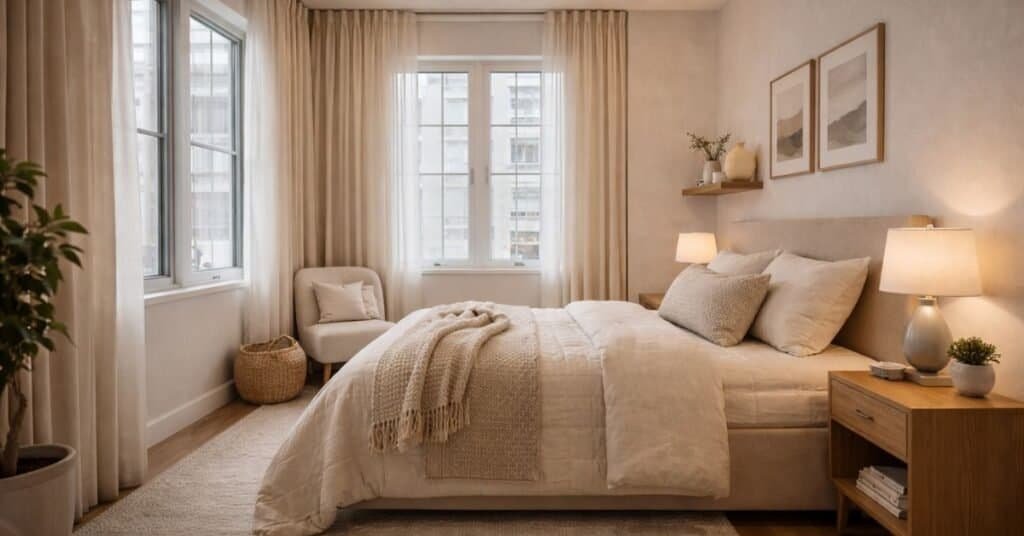
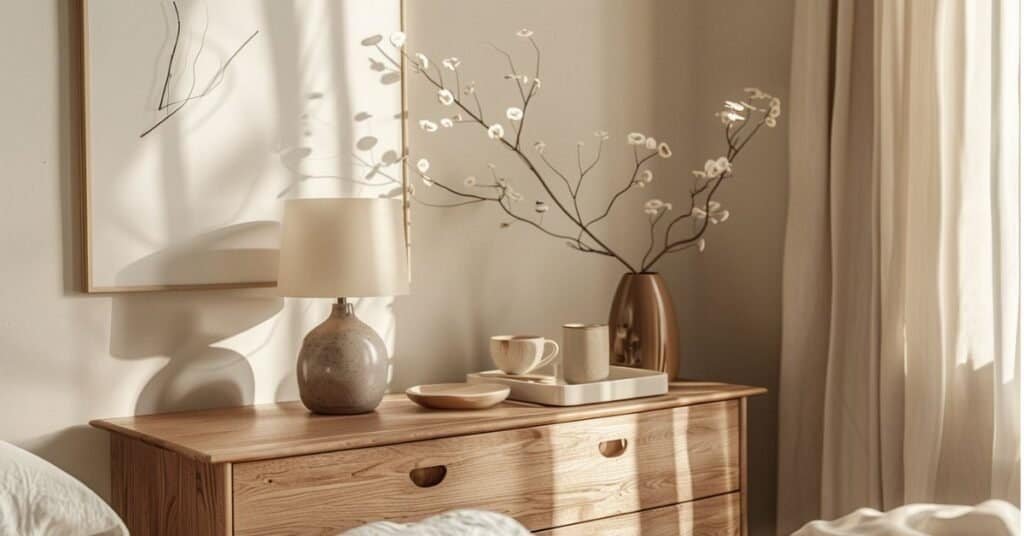
A small plant, a short vase of branches, or a few fresh stems can make a bedroom feel softer right away. These details add life and texture, but they do not need much room.
Stone Gable Blog mentions that even one plant or a few flowers can make a bedroom feel better layered and more welcoming. You can see that idea in their post on decorating a bedroom without buying new furniture from Stone Gable Blog. In a small room, that could be as simple as a tiny vase on a dresser or one small plant on a nightstand.
Keep it small. One natural touch is usually enough.
Use baskets and trays to keep surfaces calm
Cozy rooms still need order. A tray or basket helps the room feel softer because it makes loose items look grouped instead of scattered.
A few easy examples:
- one woven basket under a bench for extra blankets
- one tray on the dresser for jewelry and a candle
- one small dish on the nightstand for everyday items
This works because the surface still feels styled, but it does not feel messy. A tray also helps stop the slow build up of random little things that can make a room look crowded by the end of the week.
Make one area the visual focus
A small bedroom feels calmer when one part of the room stands out more than the rest. That focal point could be the bed, the art above the bed, or the bedside lighting.
When everything tries to stand out, the room starts to feel noisy. It is better to let one area carry most of the visual weight, then keep the other parts quieter.
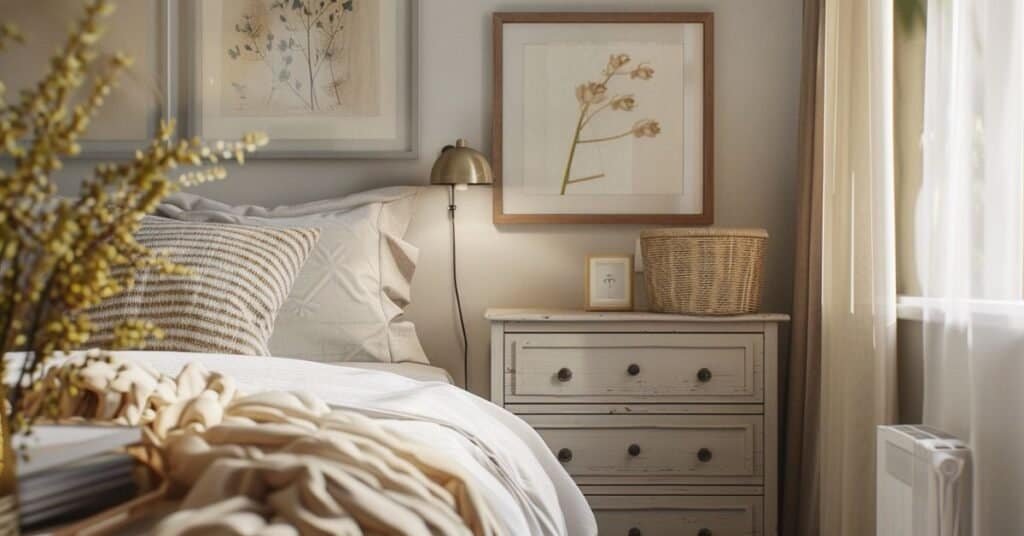
For example, if the bed has textured layered bedding and a nice lamp beside it, the dresser does not also need lots of framed prints, plants, candles, and stacked decor. A calmer background helps the cozy detail stand out more.
Small Bedroom Decor Hacks for Renters and Budget Friendly Updates
A cozy bedroom does not have to come from buying all new furniture. In a small room, lower cost changes often make a bigger difference because they change the mood without taking up more space.
This is good news for renters too. Many of the best small bedroom decor hacks are easy to undo later, easy to move around, and easy to do with what you already have.
Make the room feel new without buying new furniture
A bedroom can feel fresh just by changing what is already there. Stone Gable Blog shares this same idea in their post on easy bedroom refresh ideas without buying new furniture. That is especially useful in a small bedroom where more furniture is often the last thing the room needs.
Start with changes like these:
- move artwork to a better wall
- swap out heavy bedding for lighter layered bedding
- restyle the top of a dresser
- remove one unused piece of furniture
- shift a lamp to a darker corner
Sometimes a room feels off because too many things are competing at once. A better edit can fix that faster than buying more.
Use low cost updates with strong visual impact
Budget updates work best when they change a large visible area. Bedding, curtains, rugs, and lighting usually do more for the room than small shelf decor.
Rambling Renovators leans into this idea with budget bedroom decorating ideas from Rambling Renovators, where a few selected layers help the room feel warmer and more complete. That can look like new pillow covers, one throw blanket, or a curtain swap in a softer tone.
Good low cost ideas:
- new pillow covers in a calmer color
- one textured throw at the foot of the bed
- a simple rug if the floor feels cold
- a lampshade swap for softer light
- moving a basket or stool from another room
A small room does not need a lot of added decor. It usually needs one or two updates that are easy to notice.
Rental safe ways to add style without crowding the room
Renters often need changes that leave walls and floors in good shape. That does not mean the room has to stay plain.
A few renter friendly ideas:
- lean one framed print on a dresser
- use removable hooks for light wall storage
- add plug in sconces beside the bed
- swap bedding and curtains for warmer texture
- use a bench with hidden storage if space allows
If the room is very tight, skip the bench and use under bed bins instead. That small space variation keeps storage out of sight without taking up a single extra inch of floor area.
Quick Small Bedroom Decor Hacks You Can Try This Weekend
Some room changes take planning. Others take one afternoon and a little editing. If your bedroom feels crowded, flat, or harder to relax in, these quick resets can help it feel calmer without turning the whole room upside down.
The goal here is to make the space feel lighter, softer, and easier to use. A few small moves can do that fast.
A simple reset in 15 minutes
If you only have a short window, start with the spots your eye lands on first. In a small bedroom, even one cleared surface can change how the room feels.
Try this quick reset:
- clear the top of the nightstand
- remove one decor item from the dresser
- fold the bedding neatly
- put loose items into one basket
- switch on one warm light source
This works because the room starts to look more settled right away. You are not adding more. You are making what is already there look calmer.
A one hour cozy refresh
With a little more time, you can make bigger changes without spending anything. Start with the bed, then move outward.
A one hour refresh could look like this:
- Reposition the nightstand so the walkway feels clearer
- Remove anything stored on the floor that does not need to stay out
- Restyle the bed with one throw and fewer accent pillows
- Move one lamp to the darkest corner or beside the bed
- Take down extra wall decor and keep only the strongest piece
If you want one area to feel more finished after that, the bed is usually the best place to focus. It gives the room warmth without needing extra furniture or shelf styling.
Use this small bedroom checklist
A checklist helps when the room feels off but you cannot tell why. Walk through the room and look at each zone one at a time.
| Area | Quick check | Easy fix |
|---|---|---|
| Bed | Does it look bulky or messy? | Use fewer pillows and add one folded throw |
| Nightstand | Is the top crowded? | Keep only a lamp and one useful item |
| Walls | Are there too many small pieces? | Use one larger art piece instead |
| Lighting | Does the room feel harsh at night? | Add one warm bulb or bedside lamp |
| Floor | Is too much touching the floor? | Hide items in under bed storage or one basket |
| Dresser | Does it feel full of little things? | Group items on one tray and clear the rest |
These quick small bedroom decor hacks are useful because they help you see what matters most. In many rooms, the real fix is not more decor. It is better spacing, better lighting, and fewer things left out.
Frequently Asked Questions
How do you make a small bedroom look cozy without making it feel crowded?
Start by cutting back on anything that does not add comfort or daily use. A small bedroom usually feels cozier with soft bedding, warm light, and one or two styled surfaces than with lots of tiny decor spread all over the room.
Texture helps a lot here. A knit throw, soft curtains, and a warm bedside lamp can make the room feel gentle without taking up extra space.
What colors make a small bedroom feel bigger?
Light warm shades usually help the room feel more open. Soft white, beige, pale taupe, light greige, and muted sand tones reflect light and make the walls feel less heavy.
House Beautiful points out that lighter paint colors can help a small bedroom appear bigger, which works well when you want the room to feel airy and calm. Pair those shades with similar bedding tones so the room feels smooth instead of choppy.
What furniture works best in a small bedroom?
Slim furniture usually works best. Think narrow nightstands, beds with storage underneath, floating shelves used as bedside tables, and dressers that do not feel bulky.
Architectural Digest also supports the idea of using multifunctional pieces and wall mounted options in a compact room. In a tight bedroom, one hardworking piece often looks better than two large ones.
How can I decorate a small bedroom on a budget?
Start with the things that cover the most visual space. Bedding, lighting, curtains, and one simple rug often change the mood faster than buying lots of little accessories.
A low cost refresh can be as simple as new pillow covers, a folded throw, and a better lamp placement. Rambling Renovators shares similar budget styling ideas built around layers and a few selected pieces, which fits a small bedroom very well.
What are the best storage ideas for a tiny bedroom?
The best storage ideas are the ones that hide clutter without making the room feel heavier. Under bed bins, baskets, floating shelves, and storage benches can all help if they fit the space.
For more ways to tuck things away while keeping the room calm, try these small bedroom storage ideas that keep clutter out of sight. In a very tight room, under bed storage is often the easiest place to start.
Do mirrors really make a small bedroom look larger?
They can help, especially when they reflect light or open space instead of a crowded corner. A mirror across from a window or near natural light can make the room feel brighter and a little more open.
The mirror still needs a good placement. If it reflects clutter, it can make the room feel busier instead of bigger.
How do you pick colors for a small bedroom without making it feel busy?
Keep the palette tight. Two to four main tones are usually enough for a small bedroom, especially when you repeat them across the bedding, curtains, rug, and wall decor.
This makes the room feel calmer because your eye is not bouncing from one strong color to another. A warm neutral base with one muted accent color often works well.
How do I make a rental bedroom feel stylish without adding clutter?
Focus on things you can move or swap easily. Bedding, lamps, plug in sconces, leaning art, and removable hooks can add style without filling the room or making permanent changes.
Stone Gable Blog shares the idea that a room can feel refreshed without buying new furniture, which is helpful for renters too. In a small rental bedroom, softer textiles and better lighting often do more than extra decor.
What bedding layers make a bedroom feel cozy?
A simple layered bed usually feels best. Start with your main bedding, then add one extra blanket or quilt, one throw, and a small number of accent pillows in soft textures.
If you want a fuller look without making the bed feel overdone, these layered bedding ideas for a cozy bedroom setup can help. Texture usually matters more than adding lots of different colors.
What small bedroom decor pieces add style without adding clutter?
The best pieces are the ones that look good and still serve a purpose. A warm lamp, one framed art piece, one basket, one tray, or one small plant can all add charm without making the room feel full.
Try to stop at one or two finishing details per surface. That gives the room personality while still keeping it easy on the eyes.
Conclusion
A small bedroom does not need a lot to feel warm and inviting. It usually feels better when the layout is easier to move through, the colors stay calm, the bedding adds softness, and the extra clutter gets edited out.
That is the heart of these small bedroom decor hacks. Cozy comes from better choices, not more stuff. A slimmer nightstand, a warmer lamp, one larger art piece, or a few better bedding layers can shift the whole room.
If your bedroom feels too full right now, start with just one area this week. Clear one surface, restyle the bed, or fix the lighting first. Small changes can make a tight room feel much more restful.
For more ideas to keep building your room, visit Bedroom Décor Ideas: Beautiful Ways to Transform Your Space.
Hello there! I could have sworn I’ve been to your blog before but after
looking at a few of the articles I realized it’s new to me.
Anyways, I’m definitely pleased I stumbled upon it and I’ll be book-marking
it and checking back frequently!
Hello! I’m pleased that you enjoyed my content! Please share if it’s not too much to ask. Thank you!