
A yard can have healthy plants, outdoor furniture, and decorative pots yet still feel unfinished. The problem is often not a lack of decor. It is how the furniture, greenery, lighting, and open space work together.
Good garden and outdoor decor begins with the layout. Seating should feel comfortable, pathways need enough room for easy movement, and planters should carry enough visual weight for the size of the yard.
Small patios and narrow outdoor areas can still feel polished. These small outdoor space ideas for compact yards show how walls, corners, and vertical areas can be used without making the space feel crowded.
Before adding anything new, clear away broken pots, faded cushions, dead plants, and items that no longer serve a purpose. House & Garden recommends starting with a clean base so you can see what the yard truly needs. Their advice to clear the patio and plan the space first helps reduce random purchases and crowded corners.
Next, choose one visible area to work on first. It might be the main seating zone, the front path, or a quiet garden corner. A few well placed changes can make the yard feel calmer, warmer, and more inviting without requiring a full makeover.
Table of Contents
Garden and Outdoor Decor Secret #1: Clear the Visual Clutter
Remove Anything Broken, Faded, or Unused
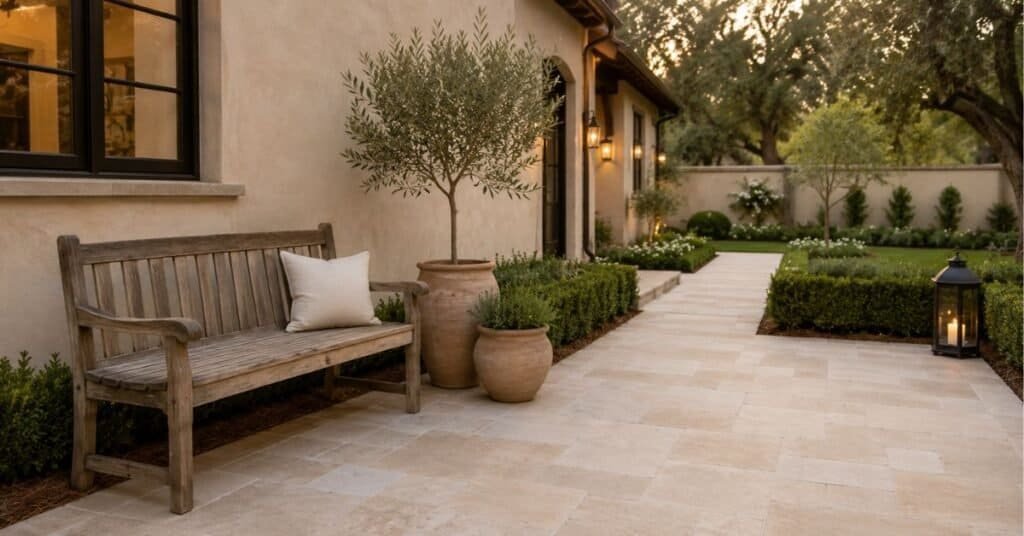
Start by walking through the yard with an empty basket or garden cart. Collect cracked pots, faded cushions, dead plants, empty soil bags, loose tools, and decor that no longer suits the space.
A common mistake is leaving several small items in place because each one seems harmless. Together, tiny pots, signs, lanterns, and ornaments can make the yard feel busy and neglected.
Keep only the pieces that add comfort, greenery, light, or a clear decorative role. Store tools near the shed or garage instead of leaning them against the house.
Build the Yard Around a Clean Base
Once the clutter is gone, look at the patio, path, fence line, and garden beds as one connected area. Choose one main feature to keep visible, such as a garden bench, seating group, large planter, or water bowl.
Leave at least 30 inches of open walking space along routes used every day. Wider paths near doors and dining areas can feel more comfortable at 36 inches.
For a budget option, wash the patio, sweep the pathways, repaint sound but mismatched pots in one neutral shade, and reuse plants in tighter groups. These changes cost little but make the yard feel more cared for.
In a small yard, keep one wall or corner mostly open. A little empty space helps the remaining garden and outdoor decor feel more noticeable without adding more objects.
Garden and Outdoor Decor Secret #2: Give Every Area a Clear Purpose
Create Simple Zones for Sitting, Dining, and Planting
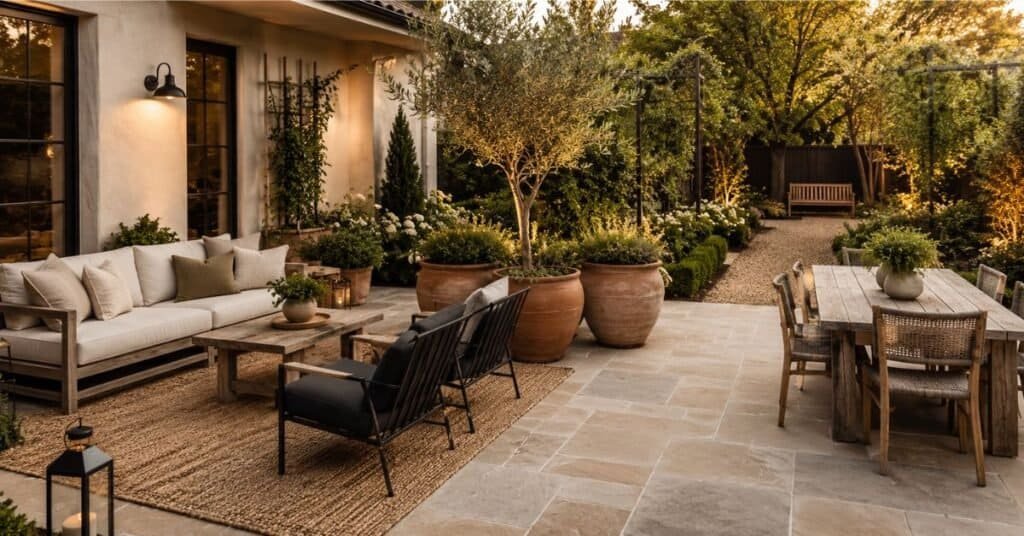
A yard feels easier to use when each area has one main purpose. A rug can mark the conversation zone, large planters can frame a dining space, and a gravel path can lead toward a garden bench.
Start with the activity your household uses most. Place the seating area close to the house if you carry drinks and snacks outside often. Keep the dining table near the kitchen door, while a quieter bench can sit closer to the garden.
Useful outdoor zones may include:
- A conversation area for four to six people
- A dining space near the house
- A small reading corner
- A container garden
- A clear grilling area
- A path linking the patio and lawn
Avoid dividing a small yard into too many sections. One main seating zone and one planting area may be enough.
Keep Furniture Close Enough for Conversation
Outdoor chairs can look awkward when they sit too far from the sofa or face away from the group. Arrange each seat so guests can talk without raising their voices or turning their bodies sharply.
Keep the main seats within about 6 to 8 feet of one another. Place the coffee table 14 to 18 inches from the sofa so drinks remain easy to reach without blocking legroom.
These outdoor seating layout tips for better conversation can help you arrange chairs, sofas, and tables around the way people actually gather.
A common mistake is pushing every chair against the fence or exterior wall. Pulling furniture inward forms a warmer conversation area and leaves room for greenery behind the seats.
For a budget option, move the furniture you already own before buying new pieces. Turn chairs toward one another, center the coffee table, and use two large pots to mark the edge of the group.
In a narrow patio, place a slim bench along one side and two lightweight chairs opposite it. Keep the centre open so the path remains easy to use.
Garden and Outdoor Decor Secret #3: Repeat a Small Material Palette
Choose Two or Three Main Finishes
A yard can feel disconnected when every planter, chair, table, and light fixture has a different finish. Repeating a few materials helps the patio and garden feel like parts of the same space.
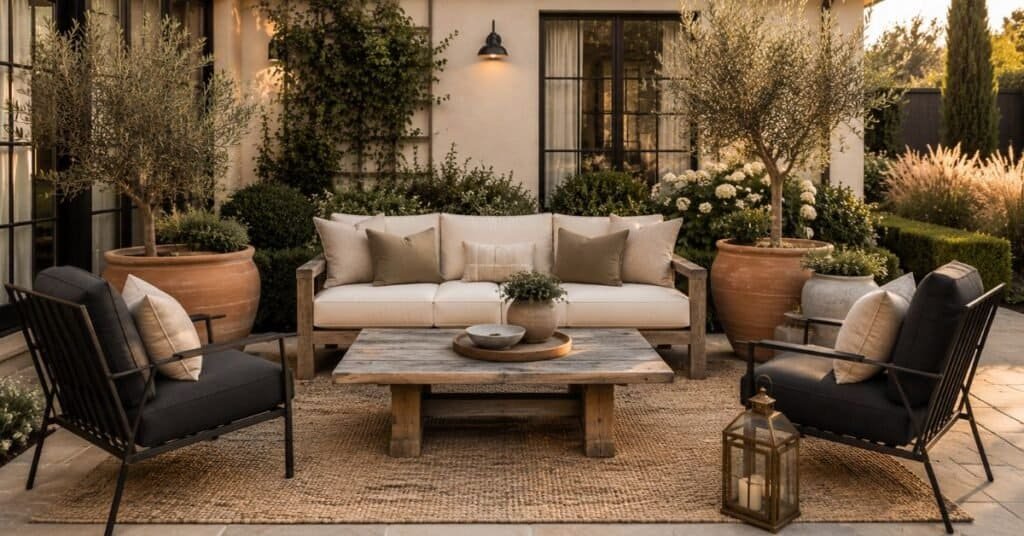
Start with two or three main finishes that already suit the house. Natural wood, terracotta, stone, matte black metal, and woven fiber work well across many outdoor styles.
A warm patio might use weathered wood furniture, clay planters, and black metal lights. A cleaner garden could pair pale stone, cream ceramic pots, and light oak.
Use each finish in at least two places. A black chair frame can relate to black lanterns, while terracotta pots can connect with rust coloured cushions or clay toned flowers.
Mix Texture Without Matching Every Piece
Repeating materials does not mean every item should match. Country Living advises readers to resist matching every outdoor piece too closely because a mix of texture gives the space more warmth and depth.
Pair smooth ceramic with rough stone, soft linen with aged wood, or woven fiber with matte metal. Keep the color range calm so the different textures feel connected.
A common mistake is buying a full matching furniture set, then adding planters, lighting, and textiles in the same finish. The space can begin to feel flat.
For a budget option, repeat the finishes you already own. Move black lanterns near black chair frames, group clay pots together, and place a woven basket beside an outdoor rug with a similar texture.
In a small garden, use one main material and one accent finish. Warm wood with black metal, or terracotta with pale stone, can give a compact space enough variety without making it feel busy.
| Yard Area | Main Material | Supporting Texture |
|---|---|---|
| Seating area | Natural wood | Linen and woven fiber |
| Garden beds | Stone | Mulch and textured foliage |
| Patio corner | Terracotta | Matte black metal |
| Dining zone | Wood or metal | Outdoor fabric |
Garden and Outdoor Decor Secret #4: Use Larger Planters in Small Groups
Choose Fewer Pots With More Visual Weight
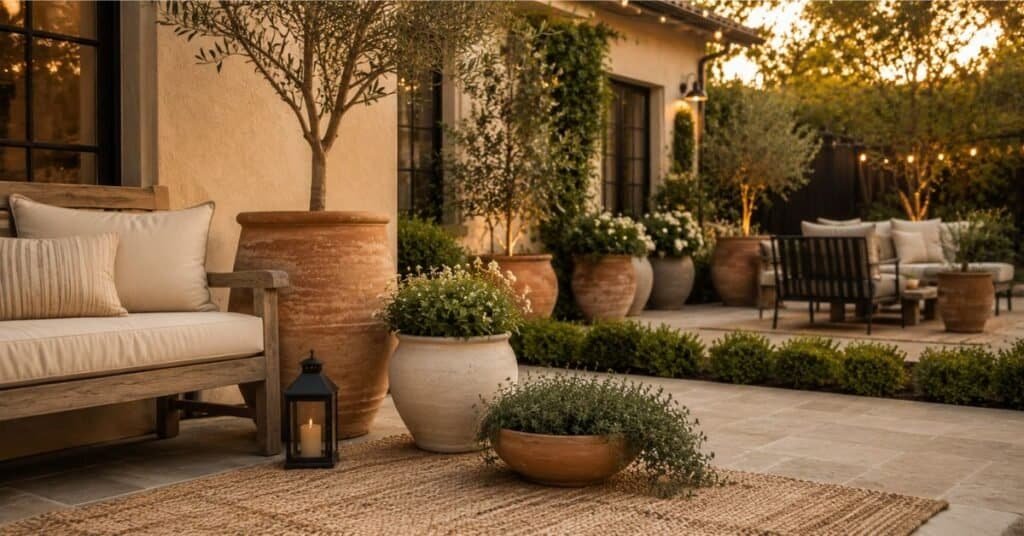
A cluster of tiny pots can make a large patio feel scattered. Fewer containers with more size and height give the eye a clear place to rest.
Try a group of three with different proportions. Use one tall planter, one medium container, and one low bowl. Keep a few inches between them so each shape remains visible.
House & Garden recommends coordinating outdoor pots through similar colors and materials. This keeps the group connected without requiring every container to be identical.
Place larger pots near furniture, doors, steps, or the end of a pathway. These areas need more visual weight than a narrow windowsill or small garden shelf.
A common mistake is lining up many small pots along every patio edge. The repeated clutter can make the floor feel narrower and harder to clean.
Layer Plants by Height and Texture
Use plant height to build depth inside each group. A taller tree or grass can form the back layer, leafy plants fill the middle, and trailing greenery softens the base.
A simple planter group might include:
- A tall olive tree, cedar, or ornamental grass
- A medium leafy plant or flowering shrub
- A low herb, ivy, thyme, or seasonal flower
Choose plants suited to the local climate and the amount of light the area receives. Native plants and hardy evergreen shrubs often require less care once established.
For a budget option, keep sound pots and repaint them in one warm neutral shade. Soft clay, charcoal, cream, or muted olive can help mismatched containers feel connected.
In a small garden, use one tall narrow planter with a trailing plant near the base. Railing boxes, wall planters, and slim containers add greenery while leaving more floor space open.
Garden and Outdoor Decor Secret #5: Use Vertical Space
Add Height With Trellises, Arbors, and Climbing Plants
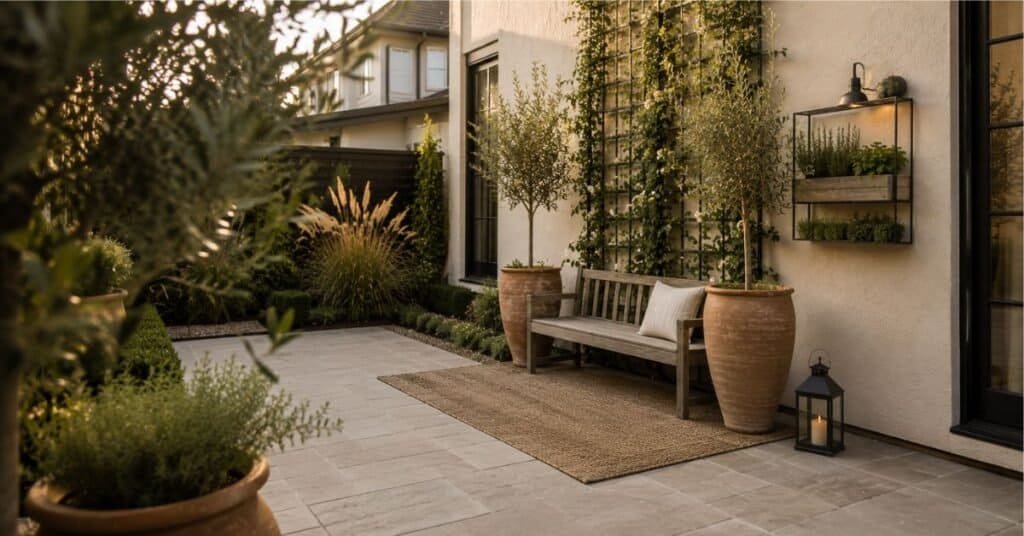
Vertical decor draws the eye upward and helps a small yard feel fuller without filling the floor. Trellises, wall planters, slim shelves, and climbing vines can add greenery to fences and plain exterior walls.
Place a trellis behind a bench, beside a dining area, or near a narrow planter. It can soften a blank wall while giving climbing plants a clear place to grow.
Costa Farms notes that small outdoor areas can use walls and other vertical surfaces when ground space is limited. A narrow shelf of herbs or one climbing plant can add more interest than several pots spread across the patio.
Keep the planting simple. One climbing vine with two or three lower plants is usually enough for a compact wall.
Keep the Ground Area Open
Too many pots and furniture pieces can make a small patio hard to move through. Shift some greenery upward so the floor stays clear.
These small porch decor ideas that use limited space well offer more ways to add style without crowding a narrow outdoor area.
Leave at least 30 inches for the main walking route. Keep plant stands and containers away from door swings, steps, and busy corners.
A common mistake is adding several freestanding shelves or plant ladders to a small patio. They may add storage, but they can also block light and reduce usable floor space.
For a budget option, attach a simple trellis panel to an existing fence or place one tall planter beside a wall. A climbing plant and one wall hook for a lantern can create height without adding much cost.
In a very small yard, use one narrow vertical feature as the main garden focal point. Let the surrounding floor remain mostly open so the space feels calm and easy to use.
Garden and Outdoor Decor Secret #6: Layer Warm Outdoor Lighting
Use More Than One Light Source
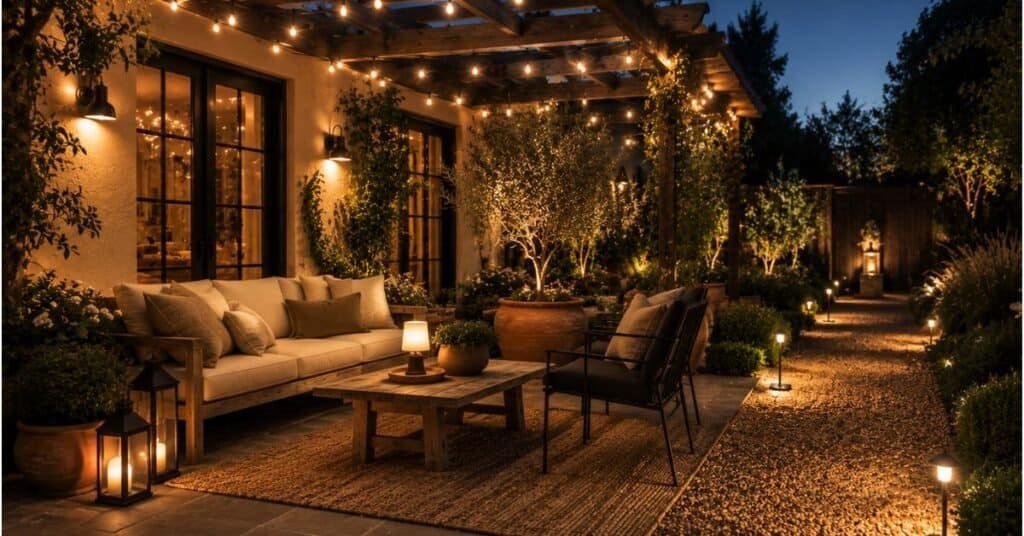
One bright porch light can make a yard feel flat and exposed. A mix of soft light sources gives each part of the patio a warmer purpose.
Layer the lighting by height:
- String lights or pergola lights overhead
- Wall sconces near doors
- Rechargeable lamps on dining or coffee tables
- Lanterns beside seating
- Low solar lights along pathways and steps
Country Living suggests that a string or two of outdoor lights can quickly improve the backyard mood. Use them above the main seating or dining area rather than stretching them across every part of the yard.
A common mistake is using too many lights at the same brightness. The yard can feel harsh when every fixture competes for attention.
Keep the Light Warm and Focused
Choose warm white bulbs around 2700K for seating and dining areas. This color feels softer beside natural wood, clay pots, cream cushions, and leafy plants.
Place light where people need it most. Steps, doors, pathways, tables, and seating edges should be visible without lighting the entire lawn.
These outdoor lighting mistakes that can ruin the mood can help you avoid glare, uneven bright spots, and poorly placed fixtures.
Keep lanterns away from narrow walking routes. Path lights should sit near the edge rather than in the middle of the walkway.
For a budget option, begin with one strand of warm string lights and two solar path lights. Add more only after viewing the yard from indoors and from the main seating area after dark.
In a small patio, use one overhead source and one low table or floor light. Two well placed layers can feel warmer than several small lights scattered around the space.
Garden and Outdoor Decor Secret #7: Add One Strong Focal Point
Choose One Feature That Draws the Eye
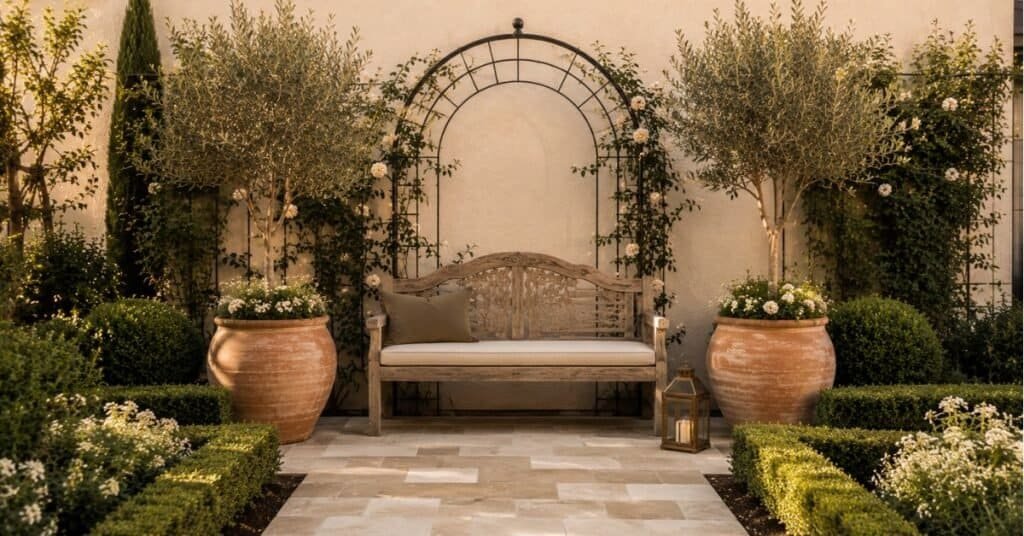
A strong focal point gives the yard a place to settle visually. Without one, furniture, plants, and accessories can feel like separate pieces rather than one connected setting.
Choose a feature that suits the size and purpose of the yard. It could be:
- A garden bench
- A large planter
- A water feature
- An arbor
- An outdoor dining table
- A fire pit
- A piece of garden sculpture
Costa Farms suggests that one clear focal feature can make a strong impact in a small outdoor area. Place it where it can be seen from the patio door, kitchen window, or main seating area.
A bench framed by two planters can work well at the end of a path. A large bowl planter may suit the centre of a courtyard, while a dining table can become the natural focus of a larger patio.
Keep Nearby Decor Quieter
The focal point needs enough open space around it to stand out. Avoid placing several bold objects nearby, such as bright cushions, large sculptures, and patterned pots competing in the same view.
Repeat one or two materials around the focal area. A black trellis can relate to black lanterns, while terracotta planters can connect with clay toned flowers or cushions.
A common mistake is creating several focal points in a compact yard. The eye keeps moving from one feature to another, which can make the garden feel busy.
For a budget option, use an existing bench, bird bath, or large pot as the main feature. Move smaller accessories away and frame the area with plants you already own.
In a small space, keep the focal point narrow and vertical. A slim trellis, tall planter, or wall mounted water bowl adds interest without taking up much floor space.
Garden and Outdoor Decor Secret #8: Add Soft Layers Around Seating
Add Comfort With Outdoor Textiles
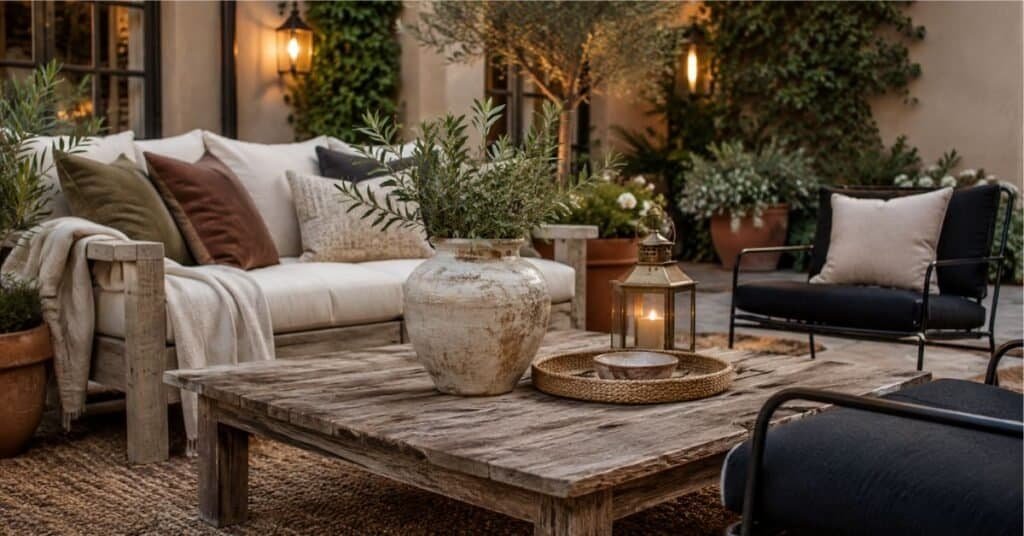
Hard surfaces can make a patio feel plain, especially when the space includes stone, concrete, metal, or bare wood. Soft layers help balance those materials and make the seating area feel more comfortable.
Country Living notes that layering outdoor textures can make a patio feel more comfortable. Start with one large rug, then add cushions in two or three fabrics that can handle outdoor use.
Useful layers may include:
- A woven outdoor rug
- Seat cushions
- Lumbar pillows
- A lightweight throw
- Linen table napkins
- Fabric chair pads
Choose fabrics made for outdoor conditions, especially in areas exposed to strong sun or summer rain. Store loose textiles indoors during storms or long periods of wet weather.
A common mistake is placing a rug that is too small beneath the seating. At minimum, the front legs of the sofa and chairs should rest on the rug so the group feels connected.
Keep Colors Calm and Easy to Repeat
A restrained color range helps varied fabrics feel connected. Cream, taupe, olive, terracotta, muted blue, and charcoal work well beside wood, greenery, clay, and stone.
Choose one main neutral, one earthy color, and one darker accent. For example, cream cushions, olive pillows, and charcoal chair frames can create depth without making the seating area feel busy.
Repeat each color in a second place. A clay pillow can relate to terracotta pots, while a charcoal stripe can connect with black metal lanterns or furniture frames.
For a budget option, replace pillow covers instead of buying full cushions. A new cover can refresh an older insert and reduce storage needs.
In a small patio, use one rug, two matching cushions, and one folded throw. A few larger layers can feel calmer than several tiny pillows in different patterns.
Garden and Outdoor Decor Secret #9: Create Privacy With Plants and Screens
Soften Open Boundaries
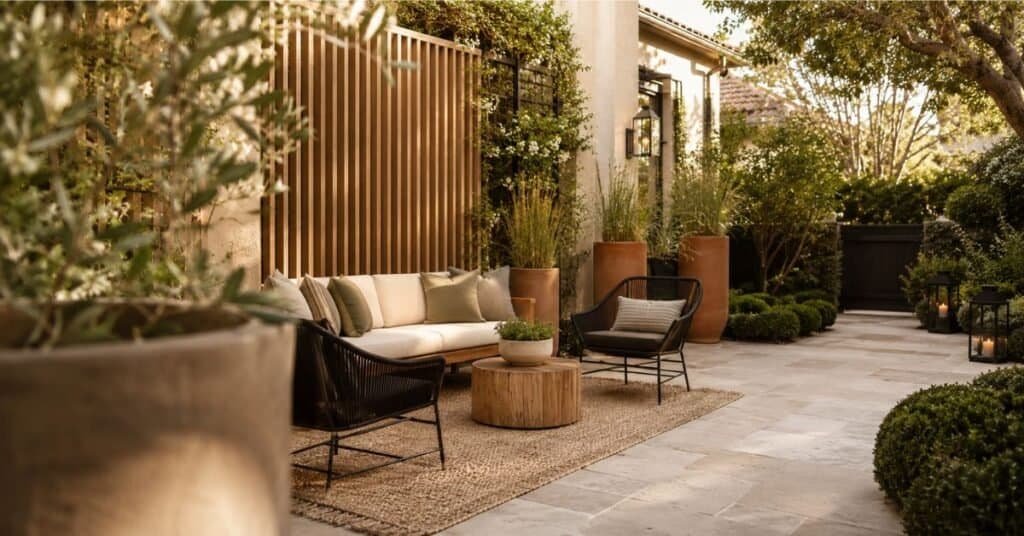
A yard can feel exposed when the seating area faces a nearby window, shared fence, or open property line. Privacy works best when it blocks the busiest view without closing off the whole garden.
Use tall planters, climbing vines, lattice panels, narrow screens, or evergreen shrubs to soften the boundary. Leave small gaps between plants and slats so light and air can still move through the space.
Place the tallest greenery behind the sofa or dining area. Lower plants can sit near the front, creating depth without making the patio feel heavy.
A row of identical shrubs is not the only choice. Mixing one slim screen with grasses, vines, and a large planter can feel softer and more natural.
Place Privacy Where It Matters Most
Stand in the main seating area and notice which sightline feels most exposed. Add screening there first rather than covering every edge of the yard.
Useful locations include:
- Behind an outdoor sofa
- Beside a dining table
- Along a shared fence
- Near a hot tub
- Between the patio and a neighboring window
A common mistake is installing a tall solid barrier around a small patio. It may add privacy, but it can also block daylight and make the area feel cramped.
For a budget option, place two tall planters beside a simple trellis panel. Add a climbing plant or ornamental grass suited to the local climate.
In a narrow yard, use one slim vertical screen behind the main seat. Keep the remaining boundaries lighter so the garden still feels open.
Garden and Outdoor Decor Secret #10: Refresh the Yard With Seasonal Changes
Keep the Main Pieces Neutral
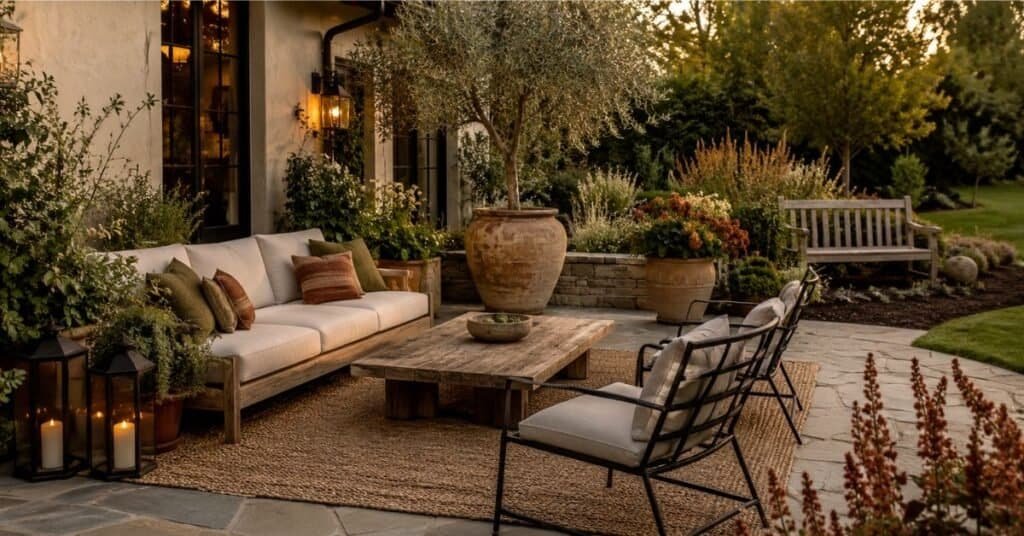
Large outdoor items are easier to use through the year when their colors and materials stay calm. Cream cushions, natural wood furniture, matte black metal, woven rugs, and clay pots give you a steady base.
Use seasonal color through smaller details rather than replacing the whole setting. Cushion covers, flowers, branches, and table linens can change the mood without creating extra clutter.
Neutral pieces also make it easier to move decor between the patio, porch, and garden. A cream cushion or terracotta pot can work in spring, summer, and fall with only a small change in nearby color.
A common mistake is buying several themed decorations for every season. The yard can start to feel crowded, and storage becomes harder once the season ends.
Use Simple Seasonal Swaps
Choose two or three changes that suit the weather and the plants available in your area.
- Spring: pale flowers, fresh green branches, and light cushions
- Summer: potted herbs, linen fabrics, and warm lantern light
- Fall: ornamental grasses, rust colored pillows, and evergreen branches
- Winter: simple greenery, bare branches, and warm white lights
These ideas for styling a front yard garden through every season can help keep the outdoor areas connected as the weather changes.
For a budget option, move existing planters to the most visible area and replace only the top layer of plants. A few fresh blooms or clipped branches can update the yard without buying new containers.
In a small space, limit each seasonal refresh to one planter, two cushion covers, and one table detail. The change will still be noticeable while the patio stays open and easy to use.
Common Garden and Outdoor Decor Mistakes to Avoid
Using Too Many Small Accessories
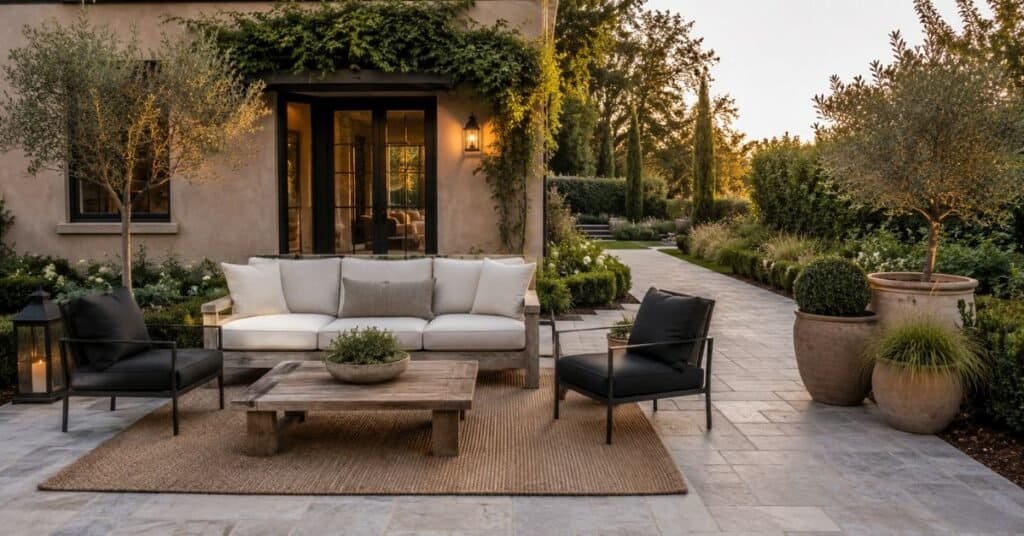
Tiny signs, mini pots, lanterns, and ornaments can look harmless on their own. Once they are spread across the patio, steps, and garden border, the yard can feel crowded.
House & Garden recommends removing broken containers and overgrown plants before restyling. Begin by clearing anything damaged, faded, or no longer useful.
Group smaller items on one tray, shelf, or table instead of scattering them. Leave some surfaces bare so the eye has a place to rest.
For a budget fix, collect every small accessory in one spot. Return only the pieces that add light, comfort, color, or greenery.
Matching Every Material and Color
A full matching set may look tidy at first, but too much sameness can make the yard feel flat. Country Living suggests readers avoid matching every outdoor piece and bring in varied textures instead.
Keep the main colors connected, then mix finishes such as wood, linen, terracotta, stone, and matte metal. A cream and olive palette can still include several textures without feeling busy.
Limit the mix to a few repeated materials. Random finishes can create the same visual noise as too many accessories.
Ignoring Scale
A small rug beneath a large sofa makes the furniture look disconnected. Tiny planters beside a wide exterior wall can disappear, while an oversized dining set may crowd a narrow patio.
Choose decor in relation to the area around it. The front legs of the seating should rest on the rug, and large walls or patio corners need planters with enough height and width to be noticed.
Use painter’s tape to mark the rug or furniture size before buying. This simple check can prevent pieces from feeling too small or too large once they are placed outdoors.
In a compact garden, choose slim furniture with enough visual weight. One narrow bench and two medium planters can suit the space better than several undersized items.
Forgetting Pathways and Open Space
Decor should never block the way people move through the yard. Keep main routes at least 30 inches wide, with 36 inches near doors, dining tables, and busy corners when space allows.
Move planters away from steps and door swings. Lanterns, stools, and side tables should sit close to the seating rather than in the walking path.
These backyard patio design mistakes that make spaces look cheap offer more help with scale, furniture placement, rug size, and open space.
A common mistake is filling every empty corner. Open areas are useful. They make the yard easier to clean, safer to walk through, and calmer to look at.
Frequently Asked Questions
How Do You Make a Backyard Look Expensive on a Budget?
Clean the patio, group larger planters, and repeat two or three materials across the yard. Warm lighting, a correctly sized rug, and clear walking space can also make the setting feel more polished without a large renovation.
Spend money on the area seen first from the house or patio door. One strong seating group usually has more impact than several scattered updates.
What Is the Easiest Way to Upgrade Outdoor Decor?
Begin by moving the furniture into a clear conversation zone. Add one large planter, remove faded accessories, and replace harsh lighting with a warm light source.
These small changes can improve the yard before you buy new furniture or change the planting beds.
How Do You Design a Small Yard or Patio Layout?
Choose one main use for the space, such as dining or relaxing. Keep the centre path open and place storage, planters, and greenery along walls or fences.
Use narrow furniture, vertical planting, and one clear focal feature. Too many separate zones can make a compact yard feel crowded.
What Colors Work Best for Modern Outdoor Spaces?
Cream, taupe, warm beige, olive, charcoal, natural wood, and terracotta create a calm base. Muted rust, dusty blue, or aged brass can add a small amount of contrast.
Repeat each accent color at least twice so it feels connected to the rest of the yard.
How Do You Create Privacy Without Building Walls?
Use tall planters, ornamental grasses, climbing vines, slatted screens, or lattice panels. Place them behind the main seating area or beside the most exposed edge.
Leave small gaps between the plants or screen slats. Light and air will still move through the patio.
What Plants Work Well for Low Maintenance Outdoor Styling?
Native plants, evergreen shrubs, ornamental grasses, hardy herbs, and drought tolerant flowers can be easier to care for once established. Choose plants suited to the local soil, rainfall, winter temperatures, and amount of sun.
Group plants with similar watering needs. This keeps the display easier to maintain during hot or dry weather.
How Do You Layer Outdoor Lighting Properly?
Combine one overhead light source with lower lights near seating, tables, paths, and steps. Use warm white light around 2700K and avoid lighting the whole yard at the same brightness.
These simple outdoor lighting ideas for a warmer patio explain how placement, brightness, and color temperature affect the mood after sunset.
What Outdoor Decor Makes the Biggest Visual Impact?
A large planter, correctly sized rug, warm lighting, or one strong focal feature can change the look of the yard quickly. Choose the item that fixes the weakest part of the setting.
For example, a large rug can connect scattered seating, while a tall planter can fill an empty wall or corner.
What Outdoor Decor Should You Avoid in a Small Garden?
Avoid many tiny ornaments, deep furniture, crowded plant stands, and several unrelated colors. Large solid screens can also make the area feel darker and tighter.
Choose fewer pieces with a clear purpose. Slim furniture and vertical greenery help protect usable floor space.
How Often Should You Refresh Garden and Outdoor Decor?
Clean and rearrange the main decor at the start of each season. Replace damaged textiles, trim overgrown plants, and remove items that no longer suit the weather.
Keep large furniture and planters neutral. Seasonal flowers, cushion covers, and branches can provide a fresh look without replacing the whole setting.
Conclusion
A gorgeous yard does not need to be filled with furniture, plants, and accessories. The strongest garden and outdoor decor usually comes from clear pathways, comfortable seating, repeated materials, larger planters, warm lighting, and enough open space for each feature to stand out.
Start with the area you see most often from inside the house. Clear anything broken or faded, choose one focal point, and make one useful change at a time. A better furniture layout or a well placed planter may improve the yard more than several new decorations.
Keep the main pieces neutral, then bring in seasonal color through flowers, cushions, and natural branches. With a few careful choices, even a small patio or narrow garden can feel welcoming, calm, and ready to enjoy.
For more ways to refresh your home and outdoor areas through the seasons, visit Seasonal Home Decor Ideas: Inspiring Year Round Styling Tips.