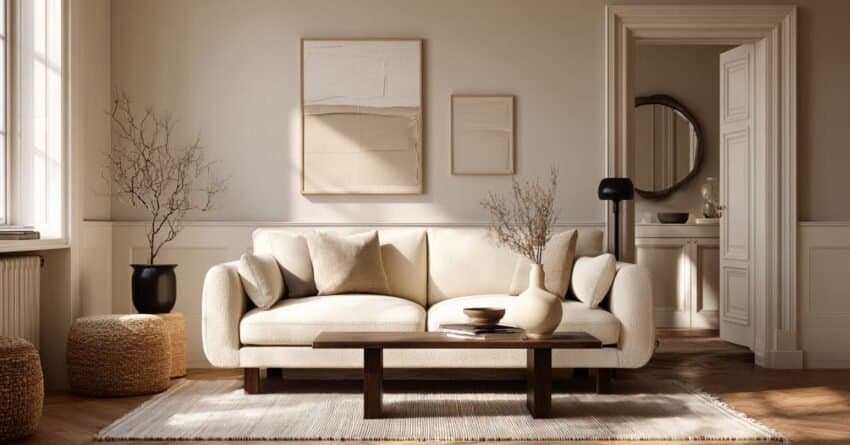
A clean room can still feel unfinished.
Maybe the coffee table is clear, the shelves are tidy, and the sofa is neat, but something still feels a little flat. The room does not look messy, but it also does not feel warm, styled, or pulled together.
That is where minimalist home styling accessories can make a big difference.
The goal is not to fill every surface. It is to choose a few pieces that add shape, texture, and calm without creating clutter.
Think ceramic vases, simple trays, woven baskets, linen throws, sculptural bowls, warm wood accents, and soft neutral pillows. These pieces do not need to shout. They just need to give the room a quiet sense of balance.
A minimalist room can still feel cozy. It can still feel personal. It can still look stunning.
The trick is knowing which accessories to keep, where to place them, and when to leave open space alone.
In this post, you will learn how to use minimalist home styling accessories in a way that feels warm, polished, and easy to live with. We will look at coffee tables, shelves, entryways, bedrooms, small spaces, and the common styling mistakes that make accessories look messy instead of beautiful.
Table of Contents
Minimalist Home Styling Accessories That Look Stunning Without Clutter
Minimalist home styling accessories work best when every piece has room to be noticed.
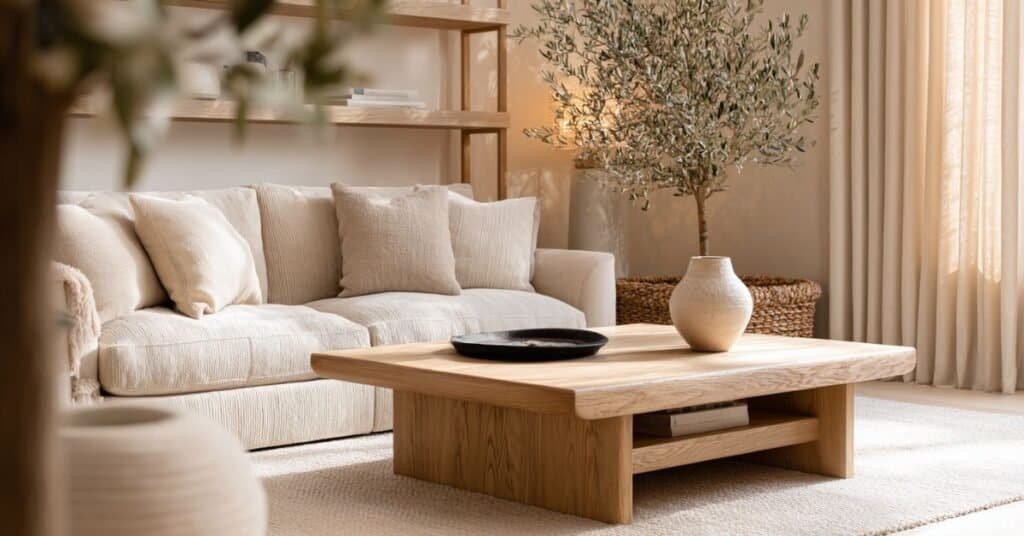
A crowded surface can make even beautiful decor look messy. A quiet coffee table with one ceramic vase, one tray, and one sculptural bowl often feels more polished than a table filled with five small accents.
Better Homes & Gardens explains that minimalism is not only about removing things. Their article on minimalist home pieces that feel clear and useful points to items like linen curtains, ceramics, and light fixtures as pieces that can still belong in a minimalist home.
That matters because a minimalist room should not feel empty. It should feel chosen.
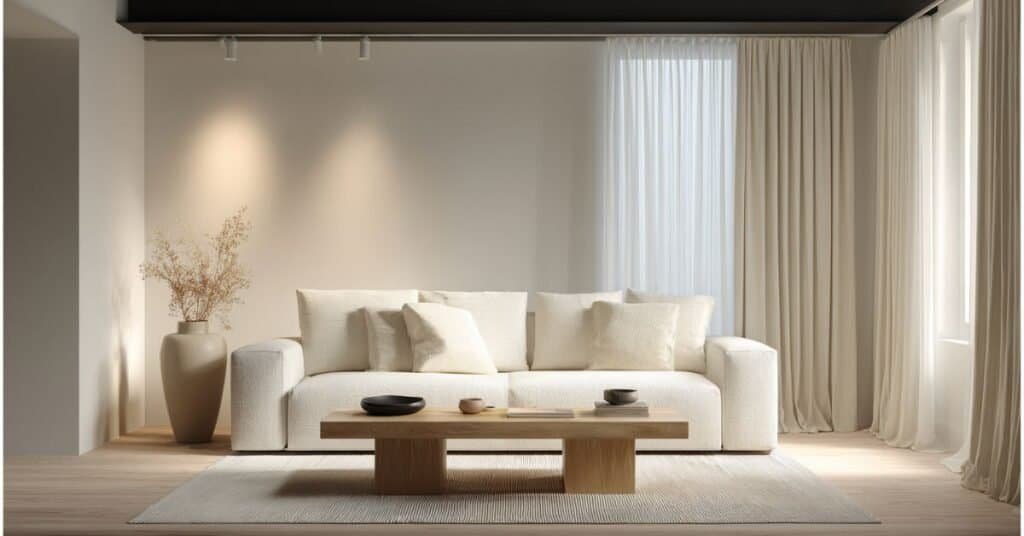
Choose Fewer Pieces With Better Visual Weight
Start with fewer accessories that can hold their place.
A tiny vase, tiny candle, tiny bowl, and tiny frame can blur together on one surface. One taller vase or one wider bowl usually feels calmer because it gives the eye a clear focal point.
Good minimalist accessories include:
- Ceramic vases
- Sculptural bowls
- Simple trays
- Woven baskets
- Linen throws
- Warm wood accents
- Framed art
- One strong lamp
- Neutral pillows
- Stoneware pieces
For a coffee table, try one tray that is about one third the width of the table. Add one low bowl and one taller vase. Leave the rest open.
That small mix gives the table height, shape, and function without making it feel crowded.
Leave Negative Space Around Each Accessory
Negative space is the open area around your decor.
It is the space beside the vase. It is the empty part of the shelf. It is the clear corner of the tray.
Without that space, minimalist accessories lose their impact.
Try this quick guide:
| Surface | Accessory Count | Simple Styling Idea |
|---|---|---|
| Coffee table | 2 to 3 pieces | Tray, book stack, vase |
| Entry table | 2 pieces | Bowl and lamp |
| Nightstand | 2 to 3 pieces | Lamp, book, small dish |
| Shelf | 1 to 2 pieces per zone | Vase, basket, open space |
| Dresser | 2 to 3 pieces | Tray, mirror, small bowl |
Leave 2 to 4 inches between small items on shelves. On a coffee table or console, leave about one third of the surface open.
That open space is what makes the styling feel calm instead of packed.
Best Minimalist Home Accessories for a Warm Room
A minimalist room can look clean and still feel cold.
That usually happens when every accessory is smooth, flat, pale, or too similar. The room may look neat, but it does not have enough texture to feel welcoming.
Apartment Therapy shares helpful ideas for warm minimalist decor with varied textures. The point is easy to use at home: keep the palette calm, then bring in warmth through touchable materials.
Use Texture Before Adding More Decor
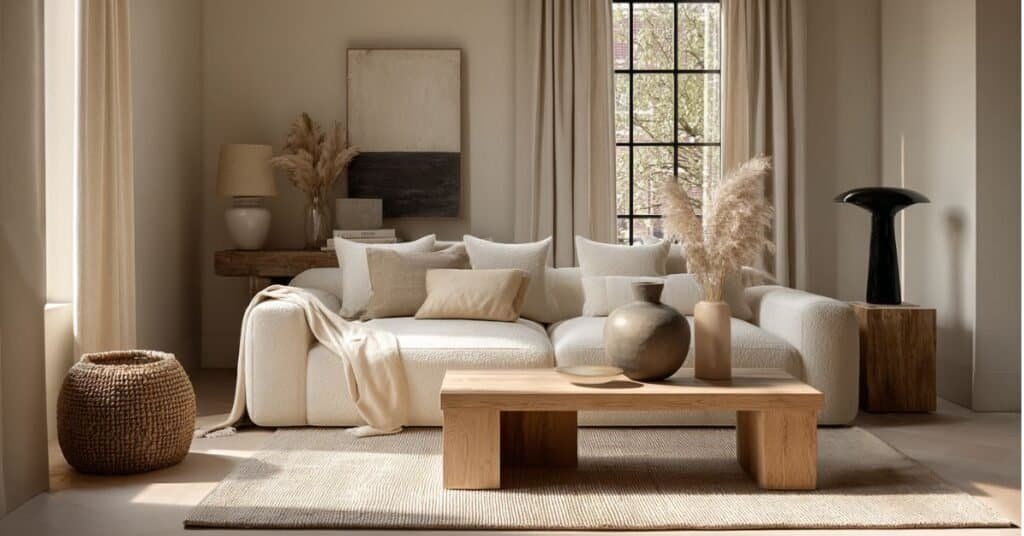
Texture does the work that extra decor often tries to do.
A linen throw, woven basket, stoneware vase, or soft wool rug can make a room feel styled without adding many pieces. These accessories bring depth, but they do not make the room feel busy.
Try mixing:
- Linen with warm wood
- Ceramic with woven baskets
- Cotton pillows with a textured rug
- Glass candle holders with matte stoneware
- Light oak with soft neutral fabric
- Warm brass with cream walls
For example, a sofa can feel finished with two neutral pillows and one folded linen throw. You do not need five pillows, two blankets, and several small objects on the side table.
Start with the largest texture first, like a rug or throw. Then use smaller accessories to repeat that softness around the room.
Try the Three Texture Rule
A simple way to style minimalist accessories is to use three textures in one area.
Real Simple explains the three texture rule for a cozy home, where a few different materials help a space feel warmer and less flat.
You can use that rule on almost any surface.
Try these combinations:
| Room Area | Three Textures to Try |
|---|---|
| Coffee table | Wood tray, ceramic vase, linen book cover |
| Sofa | Cotton pillows, linen throw, woven basket |
| Shelf | Books, stoneware bowl, glass candle holder |
| Entry table | Wood bowl, brass lamp, ceramic vase |
| Bedroom | Cotton bedding, wool throw, oak nightstand |
Keep the colors close if you want the room to feel calm. Cream, beige, light oak, warm gray, soft taupe, and matte black can sit together without fighting for attention.
The room will still feel simple, but it will not feel empty.
Minimalist Living Room Accessories That Feel Polished
Living room accessories can make a room feel finished fast.
The key is choosing pieces that work together instead of adding decor to every open surface. A coffee table, shelf, side table, and sofa do not all need a crowd of objects.
Start with the surface that sits closest to the center of the room.
Style the Coffee Table With a Tray, Bowl, and Vase
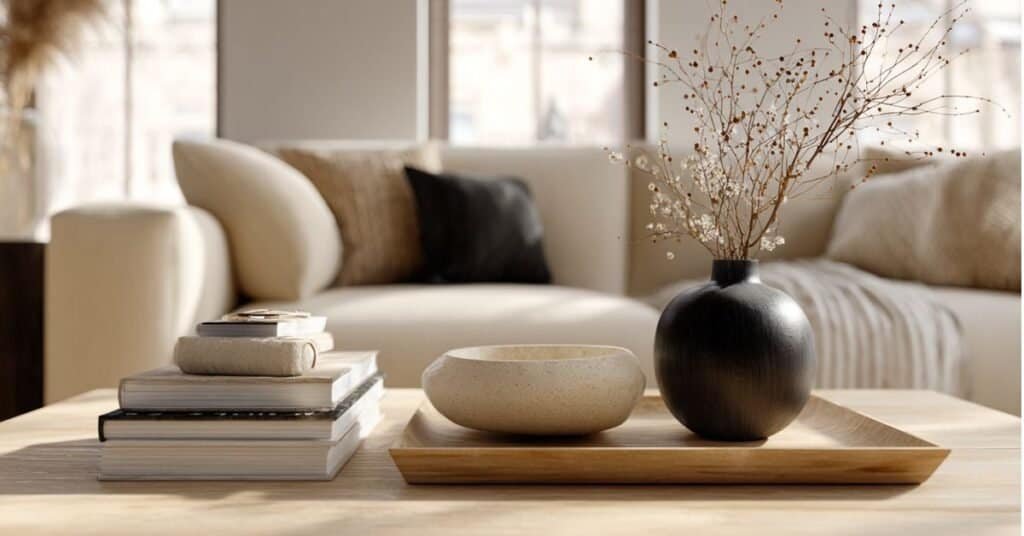
A coffee table is the easiest place to practice minimalist styling.
Try a simple formula:
- One tray
- One low bowl
- One taller vase
- One book stack if the table has enough room
- Open space around everything
The tray gives smaller items a home. The bowl adds shape. The vase adds height. The open space keeps the table from looking crowded.
For a 36 inch coffee table, choose a tray around 12 to 16 inches wide. Keep the vase below eye level when seated, especially if the coffee table sits between the sofa and TV.
This kind of styling works well with modern coffee table styling formulas for calm rooms because it keeps the surface useful and polished.
Use One Soft Accent Instead of Many Small Ones
A living room does not need a dozen accessories to feel warm.
One linen throw folded over the sofa arm can do more than several small tabletop pieces. Two larger pillows can feel calmer than five small ones scattered across the sofa.
Use that idea as a simple check. If your sofa looks busy, remove one small pillow or one extra throw before adding anything new.
Try this living room setup:
| Area | Minimalist Accessory Choice | Why It Works |
|---|---|---|
| Coffee table | Tray, bowl, vase | Adds shape and order |
| Sofa | Two neutral pillows | Softens without clutter |
| Side table | One lamp | Adds warmth and function |
| Floor area | One woven basket | Hides blankets or magazines |
| Wall | One framed piece | Gives the room a focal point |
A polished living room feels easy to use. If you have to move five things every time you sit down, the room is over styled.
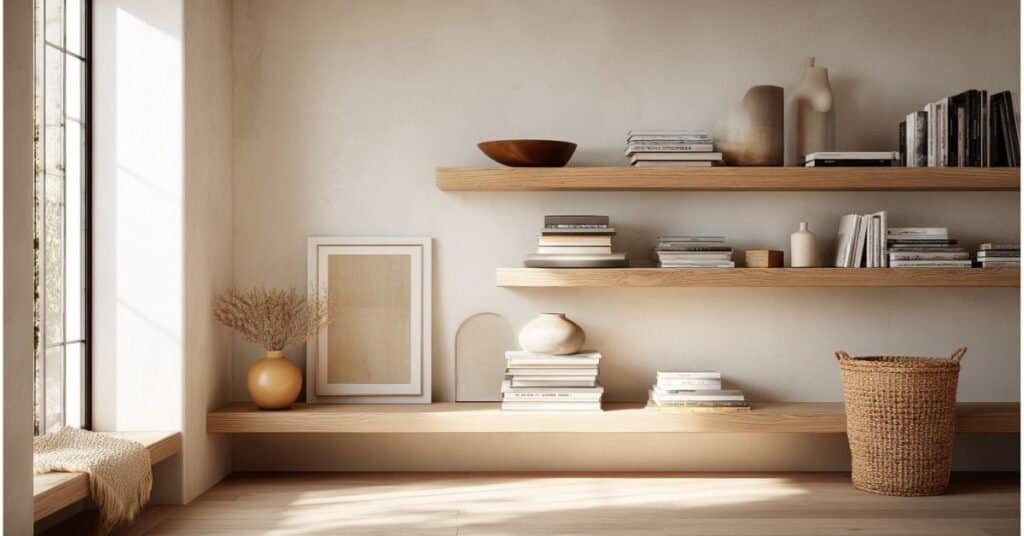
Minimalist Shelf Styling Accessories That Do Not Look Busy
Shelves can ruin a minimalist room quickly if every inch is filled.
Books, vases, bowls, frames, baskets, and small objects can all look beautiful on their own. But when they sit too close together, the shelf starts to feel busy.
Apartment Therapy shares a helpful minimalist idea about display items you truly love. The point is not to leave shelves bare. It is to leave out the pieces that feel worth seeing every day.
Pair Books With One Sculptural Object
Books are one of the easiest shelf anchors.
Stack two or three books horizontally, then place one sculptural bowl or small ceramic vase beside them. This gives the shelf shape without making it feel packed.
Try these pairings:
- Books with one stoneware bowl
- Books with one ceramic vase
- Books with one small framed art piece
- Books with one glass candle holder
- Books with one warm wood object
Keep the shelf colors close. Cream books, light oak shelves, soft gray ceramics, and warm beige baskets usually work well together.
Leave open space at the end of each shelf zone. Even 4 to 6 inches can make the shelf feel calmer.
Use Baskets to Hide What Does Not Need to Show
Not everything on a shelf needs to be visible.
Cords, remotes, small toys, pet items, extra candles, and loose papers can make shelves look messy fast. A woven basket or lidded box keeps those items nearby without turning the shelf into a storage pile.
Use one basket per shelf zone if you need storage. Avoid putting three baskets side by side unless the shelf is large enough to handle it.
For small items that keep spreading around the room, these minimalist home organization rules that reduce clutter can help you decide what should stay visible and what should be hidden.
A shelf looks best when it has rhythm: books, object, open space, basket, open space. That pattern feels calm without looking empty.
Minimalist Entryway Accessories for a Calm First Look
The entryway is where minimalist accessories have to work hard.
This area needs to look calm, but it also needs to hold keys, bags, shoes, mail, and small daily items. If the entry table becomes a drop zone, the whole home can feel messy before anyone steps inside.
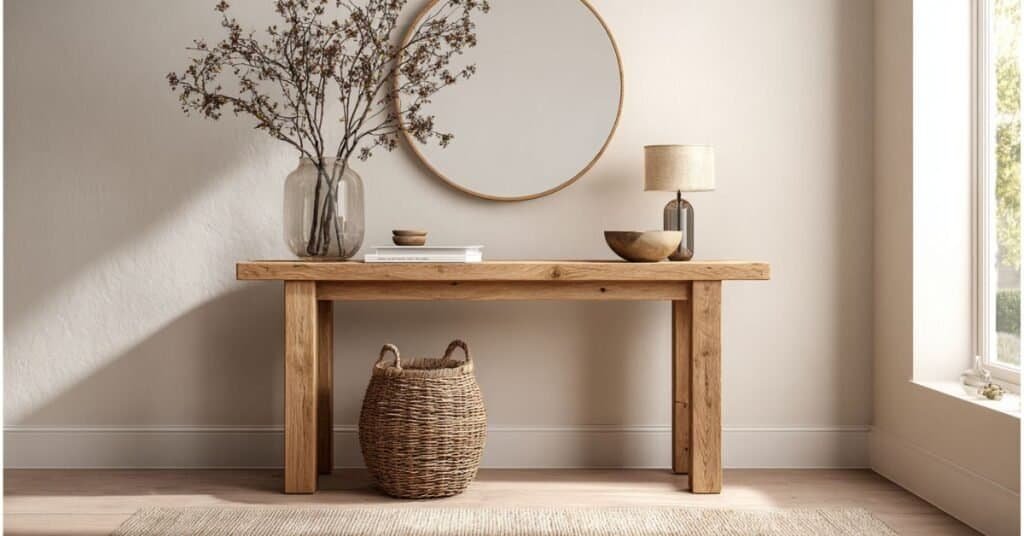
Keep the Entry Table Simple
Start with two useful pieces.
A small bowl can hold keys. A lamp can add warmth. If the table is large enough, add one vase with branches or one small tray for mail.
Try this entry setup:
- One catchall bowl
- One warm lamp
- One slim tray if needed
- One basket below the table
- One mirror or framed piece above
Keep the top of the console at least one third open. If the entry table is only 30 inches wide, avoid using more than two or three pieces on top.
The best entry accessories make daily life easier without making the space look busy.
Add a Mirror or Framed Art Without Crowding the Wall
Wall accessories can make a small entry feel finished.
A mirror helps bounce light and gives you a quick check before leaving. Framed art can make the space feel softer and more personal.
The mistake is adding too much around it.
Choose one main wall piece, then let it breathe. If you use a mirror, skip the extra wall sign beside it. If you use art, keep the table decor below it simple.
For small entries and apartments, these minimalist wall decor ideas for small apartments can help you use the wall without making the area feel crowded.
A good rule: keep 6 to 8 inches between the top of the console and the bottom of the mirror or art. This makes the wall feel connected instead of scattered.
Minimalist Bedroom Accessories That Feel Soft, Not Empty
A minimalist bedroom should feel restful, not bare.
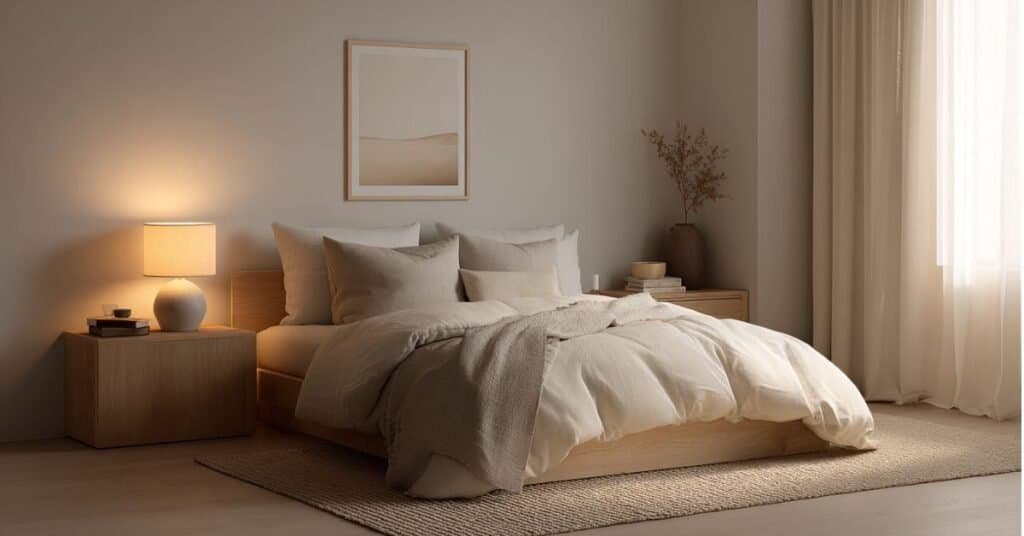
The right accessories can soften the room without crowding the nightstand, dresser, or bed. In a bedroom, the best pieces are usually quiet and useful: a lamp, a small dish, one folded throw, and one simple framed art piece.
Style the Nightstand With Three Small Pieces
A nightstand is one of the easiest places to overdo accessories.
It collects books, cords, glasses, water cups, receipts, and tiny daily items. In a small bedroom, that clutter can make the whole room feel less peaceful.
Try a three piece nightstand setup:
- One lamp
- One book
- One small dish or tray
The lamp gives warmth. The book adds a relaxed layer. The dish holds glasses, lip balm, or a ring so the top does not become a pile.
Keep cords tucked behind the nightstand or clipped along the back edge. If the nightstand has a drawer, use it for anything you reach for often but do not want to see all day.
Use Bedding Accessories With Restraint
Bedding accessories can make the room feel soft fast.
Real Simple shares ideas around soft textures and natural finishes, which fits well with minimalist bedroom styling. Texture gives a simple room warmth without needing extra decor on every surface.
For a calm bed, try:
- Two sleeping pillows
- Two larger neutral pillows
- One folded linen throw
- One quiet color palette
- One soft rug beside the bed
Fold the throw across the bottom 18 to 24 inches of the mattress. This gives the bed a finished look without covering the whole surface.
A budget option is to keep your current bedding and only change the throw or pillow covers. Soft cotton, linen look fabric, or muted neutral tones can make the room feel fresher without a full bedroom update.
Minimalist Styling Mistakes That Make Accessories Look Messy
Minimalist styling can go wrong when the accessories start to compete.
A room may have beautiful pieces, but if every surface has a candle, vase, bowl, frame, stack of books, and plant, the room can feel busier than planned. Minimalist accessories need space around them to look calm.
House Beautiful warns about too much stuff in a small space, and that idea works for accessories too. When too many items sit close together, the room feels smaller and less inviting.
Adding Too Many Tiny Decor Pieces
Tiny decor is one of the biggest reasons a minimalist room starts to look messy.
Mini vases, small candles, tiny signs, little bowls, and scattered objects can blur together on shelves and tabletops. Even if every piece is pretty, the full surface can feel noisy.
Try this swap:
| Instead Of | Try This |
|---|---|
| Five tiny vases | One taller ceramic vase |
| Several small candles | One glass candle holder |
| A crowded shelf | Books, one bowl, open space |
| Many small frames | One larger framed piece |
| Extra tabletop objects | One tray with two items |
A simple test helps. Stand in the doorway and look at the room for five seconds. If the accessories blend into one busy shape, remove the smallest piece first.
Choosing Accessories Before Choosing a Mood
Random accessories rarely make a room feel calm.
One black vase, one brass bowl, one colorful pillow, one rustic basket, and one glossy tray can all be nice pieces. But together, they may not feel connected.
Apartment Therapy suggests starting with a small set of reference images before buying decor. This helps you see the colors, textures, and mood you keep liking.
For minimalist styling, choose a small style direction first.
Try one of these simple mixes:
- Warm minimal: linen, oak, ceramic, woven baskets
- Modern minimal: matte black, glass, stoneware, cream fabric
- Rustic minimal: wood, clay, jute, soft cotton
- Soft neutral: beige, warm white, taupe, light gray
Small space variation: use one tray, one basket, and one wall piece per zone. That gives each area a job without adding too much.
A Simple Room by Room Accessory Plan
A minimalist home is easier to style when each room has a short accessory list.
You do not need different decor rules for every space. Most rooms need the same basic mix: one useful piece, one soft texture, one natural material, and enough open space.
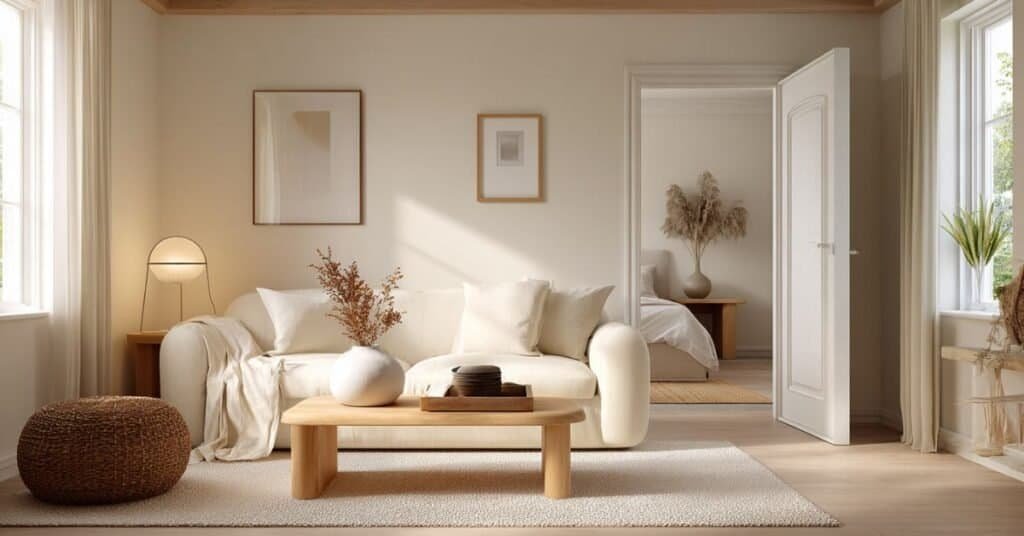
Living Room
The living room usually needs warmth, order, and one clear focal point.
Start with the coffee table, then move to the sofa and wall. Keep the accessories simple and useful.
Try:
- One ceramic vase
- One simple tray
- One textured pillow
- One woven basket
- One framed art piece
- One warm lamp
For a living room that still feels soft and personal, these minimalist home ideas that still feel warm can help you keep the room from feeling too plain.
Bedroom
The bedroom needs fewer accessories than most rooms.
Use pieces that help the room feel restful. A bedside lamp, a small dish, a linen throw, and one framed art piece can be enough.
Try:
- One warm table lamp
- One bedside dish
- One folded linen throw
- One simple framed print
- One soft rug beside the bed
Keep the dresser top mostly open. If you need storage there, use one tray instead of several small containers.
Entryway
The entryway should help you leave and come home without creating a mess.
Use accessories that catch daily items and make the space feel calm from the door.
Try:
- One mirror
- One catchall bowl
- One basket
- One slim tray
- One small lamp if there is an outlet
If the entry is narrow, skip the lamp and use wall art or a mirror instead. Keep the floor as open as possible so the first step inside feels clear.
Small Apartment
In a small apartment, every accessory has to earn its place.
Choose pieces that are both beautiful and useful. A basket should hide something. A tray should group items. A mirror should reflect light. A lamp should brighten a dark corner.
For tighter rooms, these small space apartment ideas that make rooms bigger can help you place accessories without making the room feel crowded.
Here is a simple room by room guide:
| Room | Best Accessory | Why It Works |
|---|---|---|
| Living room | Ceramic vase | Adds height without clutter |
| Bedroom | Linen throw | Adds softness |
| Entryway | Catchall bowl | Controls daily items |
| Shelf | Woven basket | Hides small clutter |
| Coffee table | Simple tray | Groups decor neatly |
| Small apartment | Mirror | Reflects light and opens the room |
Use this as a starting point, not a strict rule. Your home should still feel easy to live in.
Frequently Asked Questions
What accessories work best in minimalist home styling?
The best minimalist home styling accessories are simple, useful, and easy to place.
Good choices include ceramic vases, sculptural bowls, trays, woven baskets, warm lamps, simple framed art, and soft textiles. These pieces add shape and texture without making the room feel crowded.
How do you decorate a room without making it feel empty?
Use fewer accessories, but choose pieces with texture and warmth.
A room can feel full enough with a linen throw, one ceramic vase, a woven basket, and a warm lamp. The goal is to add softness while keeping open space around each piece.
How many accessories should a minimalist room have?
There is no perfect number, but each surface should have breathing room.
A coffee table usually looks calm with 2 to 3 pieces. A nightstand may only need a lamp, book, and small dish. If a shelf feels crowded, remove the smallest item first.
What colors work best with minimalist decor?
Warm white, soft beige, light gray, cream, taupe, muted earth tones, matte black, and warm wood work well.
You can still use color, but keep it soft and repeated. A muted green pillow, clay vase, or dusty blue art piece can feel calm if the rest of the room stays quiet.
How do you make minimalist decor feel warm?
Use texture, warm lighting, and natural materials.
Try linen, wool, woven baskets, light oak, stoneware, ceramic, and warm lamps. For a deeper starting point, this guide on what minimalist decorating style looks like at home can help you shape the room without making it feel empty.
Are plants considered minimalist accessories?
Yes, plants can work as minimalist accessories when they are used with restraint.
One plant in a simple ceramic pot can add shape, height, and a natural touch. Avoid filling every surface with small plants if the room already feels busy.
What materials look best in minimalist interiors?
Natural and tactile materials usually work best.
Ceramic, stoneware, wood, linen, wool, glass, brass, and woven textures all fit well in a minimalist home. These materials add warmth without needing loud patterns or too many pieces.
How do you style a coffee table in a minimalist way?
Use a tray, a book stack, one vase, and open space.
Keep the tallest item off to one side so the table does not block conversation or the TV view. If the table is small, skip the book stack and use only a tray with one bowl or vase.
What is the biggest mistake in minimalist styling?
The biggest mistake is adding too many small accessories.
Tiny decor pieces can make a room feel busy even when everything is neat. One larger vase, one tray, or one sculptural bowl usually looks calmer than several small pieces scattered across a surface.
Can minimalist decor still look luxurious on a budget?
Yes, minimalist decor can look polished on a budget when you focus on texture, scale, and spacing.
Try thrifted ceramics, simple trays, soft pillow covers, woven baskets, warm bulbs, and one larger art piece. Fewer pieces often look better than a table full of small, low impact decor.
Conclusion
Minimalist home styling accessories work best when they feel calm, useful, and easy to live with.
You do not need to fill every table, shelf, corner, or wall. A few carefully chosen pieces can make a room look stunning without making it feel crowded.
Start with the pieces that add the most warmth: a ceramic vase, a simple tray, a woven basket, a linen throw, a sculptural bowl, or one soft lamp. Then leave space around them so each accessory can stand out.
The goal is not a perfect room. It is a home that feels lighter, softer, and more peaceful when you walk in.
For more calm room ideas, visit Minimalist Home Ideas: I Tried Simplifying My Space… Here’s What Actually Happened.